
Fish farmers record 20 percent better yield one year after EfD training
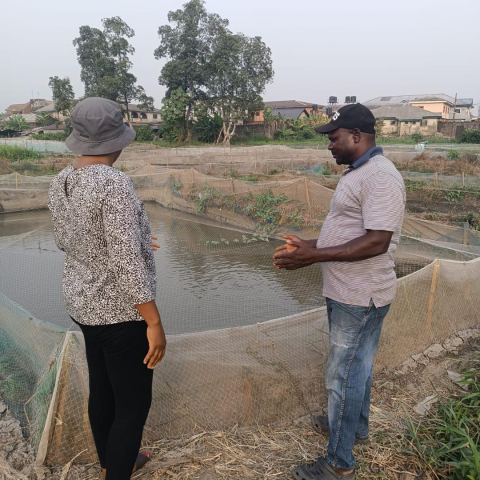
Nigeria's aquaculture industry has received a significant boost, thanks to EfD Nigeria’s effort to equip local fish farmers with environmentally sustainable water management practices. Farmers from Warri, Delta state, have reported an increased yield of at least 20 percent due to techniques they learned from EfD Nigeria's training on pond water management.
In August 2023, EfD Nigeria organized a hands-on training program for fish farmers. Over 178 farmers from the two cooperative societies were taught environmentally sustainable best practices for water management in fish farming.
The farmers learned to use test kits to measure their ponds' pH levels, temperature, and ammonium nitrate. These elements are crucial for maintaining healthy aquatic environments and ensuring optimal fish production.
Training aligned with demands for local fish production
The Nigerian government is paying increasing attention to aquaculture as a key solution to the growing demand for fish, as the country works to reduce its reliance on fish imports and boost local production.
However, challenges such as poor water quality management, inadequate knowledge of best environmental practices, and limited access to technical resources have often undermined the sector's profitability.
The need to address the challenge of poor environmental management practices among fish farmers informed EfD Nigeria’s project on the impact of improved environmental management practices on small-scale catfish production: Experimental evidence from coastal Nigeria. The training was one of the deliverables of the project
Impacts of the training after one year
A follow-up assessment conducted in December 2024 revealed that farmers who participated in the training recorded at least a 20 percent increase in their business performance as a direct result of applying the knowledge gained from the training.
Some of the beneficiaries of the training said that practicing improved pond water quality management has made their fish healthier with better financial value. While some of them estimated the rate of their increase at 20 percent, others said that they recorded a 30 percent better yield.
“Before the training, we depended on observations from our eyes to gauge the quality of water in our ponds; after the training, we have test kits that we use to measure accurate and dependable results,” Gowin Danladi, the Financial Secretary of the Ufoma Fish Farmers Cooperative Society, said.
Danladi, who has been into fish farming since 2007, said the training manual he and his members received has been invaluable in guiding them on how to maintain a healthy and productive pond environment.
“The training has helped members of our cluster to easily clear their tidal waterways; this was a big deal for us before the training in 2023,” Gowin Danladi said.
Farmers need more interventions
The fish farmers also wish they could get reagents to help them manage the ammonia nitrate in their ponds and they seek better regulation of the quality of feeds sold in Nigerian markets.
The training is expected to have a ripple effect beyond the benefits to the farmers. As the farmers' businesses grow, they contribute to meet domestic demand and reduce reliance on imports.
It is also expected that the improved environmental management practices will reduce the environmental footprint of aquaculture operations.
“Feedback from the training is encouraging us to do more”
“The response we are getting from the fish farmers is an encouragement for us to do more for Nigeria’s fishery and aquaculture sector,” said Nnaemeka Chukwuone, Director of EfD Nigeria.
EfD Nigeria has made efforts to boost sustainable fish production in Nigeria and has, since 2022, been engaging with stakeholders and policymakers to review Nigeria’s Sea Fisheries Act. The center is also working with EfD Ghana and Nigerian stakeholders to develop a fisheries management plan for Nigeria.
“Our efforts are guided by evidence from our research projects,” Nnaemeka Chukwuone said.
He said that EfD Nigeria will continue to monitor the progress of the farmers and hopes it will inspire other fish farming communities to adopt similar environmental management practices.
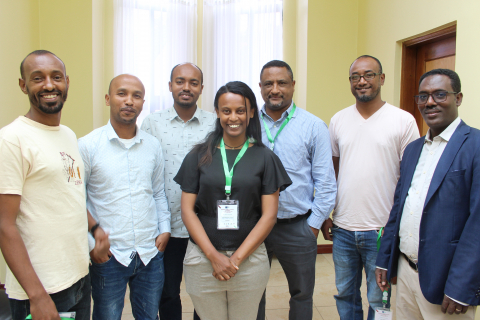
IGE Fellows contributed to national plans for clean cooking
How can we involve the private sector in a transition to clean cooking in Ethiopia? This was the...

Rising temperatures cause lost incomes for informal workers
A study by EfD researchers Saudamini Das and E. Somanathan found that high temperatures cause...
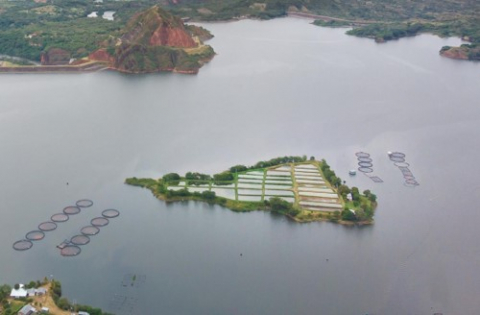
Building trust among stakeholders was key for successful policy engagement in fisheries
EfD Colombia’s researchers show that involving experts from public institutions at an early stage...
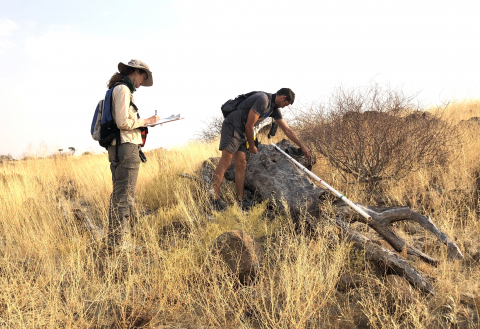
New method helps assess climate vulnerability of protected areas
Climate change is a challenge for Protected Areas (PA), such as national parks. It can affect...
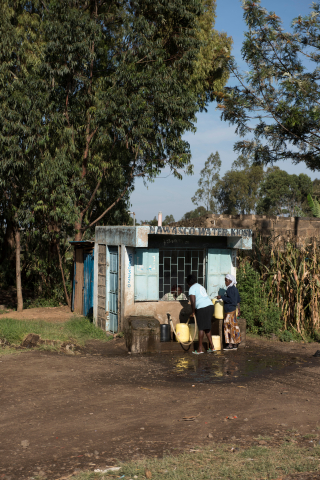
Researchers and water company collaborates - poor people could buy more water
A team consisting of EfD Kenya, international associates, and the Nairobi City Water and Sewer...
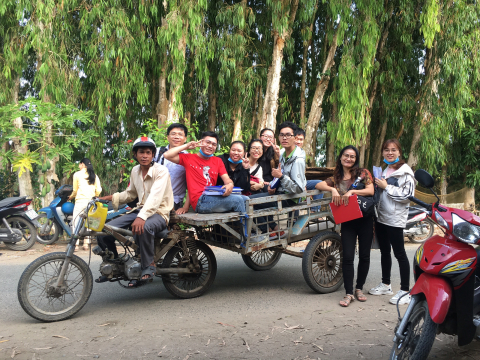
EfD-funded project using laser technology improves rice farming in Vietnam
After three years of implementation, a laser-assisted land leveling project in the Mekong Delta of...