
EfD study revealed hidden risks of environmentally friendly alternatives
An EfD-study uncovered a surprising paradox: environmentally friendly alternatives can lead to higher overall consumption. The study examines how consumers respond to biodegradable plastic bags as an alternative to traditional plastic bags.
The environmental impact of environmentally friendly alternatives is seldom null; they are just less damaging than existing options.
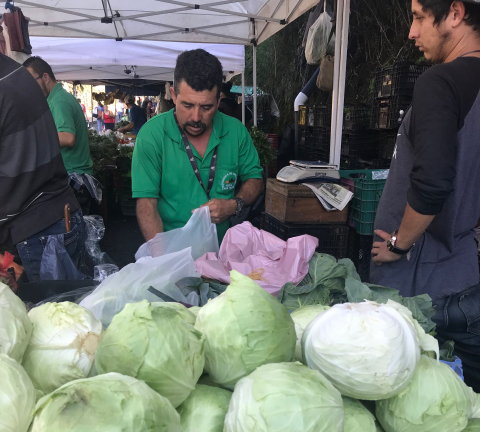
This study, based on a field experiment in Costa Rican farmers’ markets, found that offering biodegradable bags for free significantly increased total bag usage. Instead of replacing plastic bags, customers took more bags, a phenomenon the researchers call the “behavioral rebound effect.” When people perceive a product as environmentally friendly, they may unconsciously use it more freely, negating the ecological benefits.
Price matters
The key finding is that pricing biodegradable alternatives helps reduce excessive use. Simply offering sustainable products isn’t enough. The researchers caution against subsidizing environmentally friendly alternatives without additional measures to prevent unintended increases in consumption.
“Sustainable alternatives alone aren’t enough—how people use them, along with thoughtful pricing and incentives, plays a crucial role in reducing environmental harm,” emphasizes Gracia Lanza, one of the authors.
Policy implications
The results highlight the need for careful policy design when promoting green alternatives.
By understanding consumer behavior, governments and businesses can develop smarter policies that reduce environmental impact.

EfD Ghana builds strategic capacity for researchers
In the dynamic landscape of academic research, connecting with experienced researchers and global...

"Carbon pricing in the Global South should be combined with cash transfers"
Carbon pricing is an important instrument for reducing carbon emissions. In the Global South...
EfD project features Voluntary Carbon Markets in the Global South
Carbon markets are increasingly being recognized as an important instrument to reduce global...
EfD research in 2024 – a year of growth, increased collaborations and impact
EfD researchers increased their academic publishing considerably in 2024 compared to previous years...