
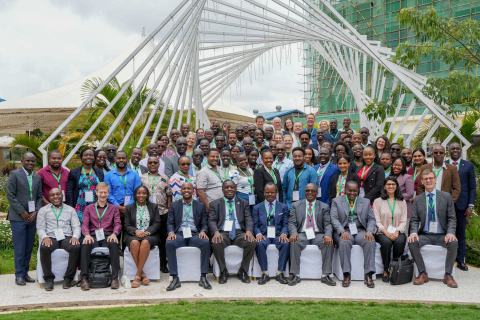
EfD’s Policy Day: Clean energy, transport and industry in focus
Policymakers, researchers, and industry experts gathered at the EfD Policy Day 2024 to discuss the pressing need for a just and inclusive transition in the energy, transport, and industry sectors. Held in connection with EfD’s Annual Meeting, the event featured keynote presentations, interactive discussions, and a high-level panel.
Speakers highlighted the importance of gender equity, financial innovation, and local capacity-building to achieve a green transition.
Benson Mlambo Mwakina, representing Kenya’s Ministry of Energy, reaffirmed the country’s commitment to renewable energy but pointed out financing and infrastructure challenges. Raavi Aggarwal from the Indian Statistical Institute noted that East Africa still relies heavily on biomass for cooking, disproportionately affecting women. She advocated for carbon pricing and direct cash transfers to support clean energy adoption.
Marc Jeuland from Duke University raised concerns about Africa’s struggle to attract investment for low-carbon projects, with the continent receiving less than 10% of global funding. He proposed public-private partnerships and localized financing models to bridge the funding gap.
Green transport - success stories and challenges
Kelvin Ndangili from the Nairobi Metropolitan Area Transport Authority emphasized that electric vehicles alone won’t solve Nairobi’s congestion problems. He proposed combining vehicle electrification with improved public transport systems.
Tanzania’s new electric high-speed train between Dar es Salaam and Dodoma was highlighted as a model project, reducing travel time and emissions. The participants stressed that more investment is needed in infrastructure, public-private partnerships, and policies to ensure transport transitions benefit all citizens.
Suggestions for energy efficiency in industry
Kenya’s manufacturing sector consumes 60% of the country’s energy. Sylvester Makaka from the Kenya Association of Manufacturers underscored the need for new technologies and regulatory incentives to cut energy waste. He mentioned smart meters, energy audits, and heat recovery systems as key strategies to improve efficiency.
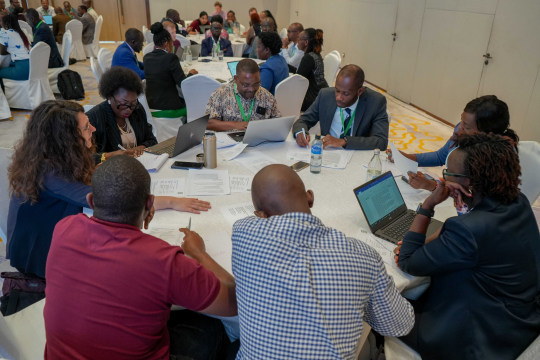
Key takeaways and next steps
Discussions concluded with a strong call for inclusive policies tailored to local contexts and better regional cooperation, ensuring that clean energy subsidies do not disproportionately benefit wealthier groups.
“The global history of energy transition largely excludes Africa. We need more research and localized solutions to ensure no one is left behind,” noted Dr. Laura Barasa from the University of Nairobi
To keep the momentum from this event and facilitate turning the discussions into action, EfD compiled a comprehensive report from the group discussions and presentations.

The IGE program promotes research-policy interaction and green transitions
The Inclusive Green Economy in Practice program (IGE) targets senior civil servants and policymakers...
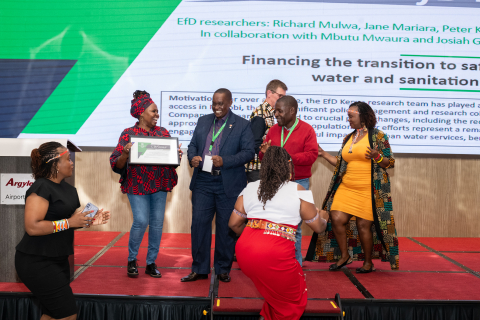
EfD Policy Impact Award encourages policy-relevant research and stakeholder engagement
The EfD Policy Impact Award was presented for the third time at the EfD Annual Meeting in Nairobi in...
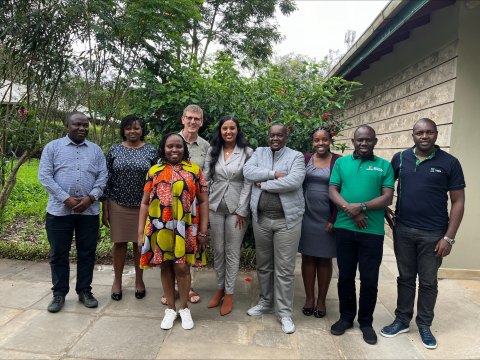
EfD develops a handbook for policy engagement and impact
While researchers are well-trained in conducting research and teaching, few receive guidance on...