Removing rationing: Power consumption and groundwater monitoring in South India

Submitted by Arnaaz Zaman on

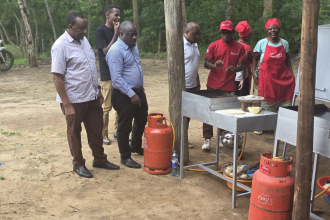
In most Indian states, electricity for irrigation is unmetered but rationed through limited daily supply hours. This study estimates the impact of the 24-hour agricultural electricity policy implemented in Telangana state in 2018, which effectively removed this rationing.

Agriculture, Climate Change, Policy Design, Water

Heat, Gender, and Time: The Impact of Temperature on Time Allocation in India

Submitted by Arnaaz Zaman on

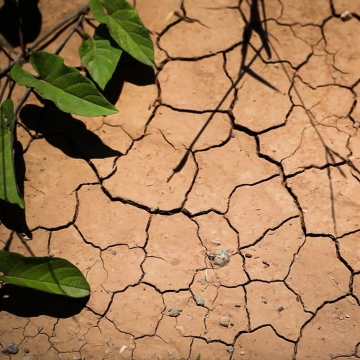
This paper examines how heat stress influences gendered time allocation across diverse activity domains in a developing country context. We match high-resolution climate data (ERA5 global reanalysis dataset) with large-scale, high-frequency individual-level panel data from the Consumer Pyramids Household Survey (2019–2024). We find that extreme heat sharply reduces time spent in paid work, learning, and social–community participation, with larger declines for men in paid work and learning and for women in social activities.

Climate Change, Gender

Assessing the Impact of Carbon Trading Schemes on Mangrove Forest Ecosystem Services and Household Welfare: Evidence from Kenya Coastal Communities

Submitted by Meseret Birhan… on

Key Messages

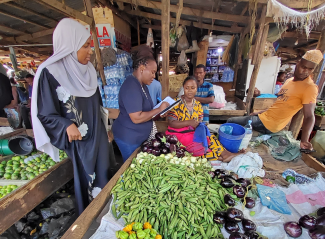
  • Kenya promotes carbon trading schemes through two pilot projects, namely Mikoko Pamoja and Vanga Blue Carbon Forest, to conserve mangrove forests.
  • Participation in a carbon trading scheme offers the dual benefit of enhancing access to ecosystem services and improving household welfare.
  • Non-participant households would be better off participating in the scheme than participant households.
Biodiversity, Climate Change