FILTER
Displaying 1 - 10 of 17 publications
Abstract Frequent and prolonged power outages severely impede business operations in many developing countries. Given resource constraints, estimating the value of improved electricity reliability in…
| Peer Reviewed | EthiopiaWe study if prior exposure to one environmental health technology – improved sanitation – complements or substitutes for additional household investments in another such technology — an electric…
| Peer Reviewed | IndiaAbstract India faces significant air quality challenges, contributing to local health and global climate concerns. Despite a national ban on agricultural residue burning and various incentive schemes…
| Peer Reviewed | India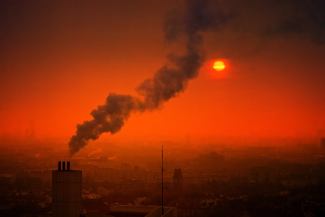
Abstract Due to worsening air quality across many cities in developing countries, there is an urgent need to consider more aggressive air pollution control measures. Valuation of the benefits of clean…
| EfD Discussion Paper | India, ChinaThe world remains far from meeting Sustainable Development Goals 5 (gender equality) and 7 (universal access to modern energy). Energy access may empower women even as empowered women are more likely…
| Peer Reviewed |Gender equity is connected to modern energy services in many ways, but quantitative empirical work on these connections is limited. We examine the relationship between a multi-dimensional measure of…
| Peer Reviewed |Abstract Until recently, the price of electricity in Ethiopia was among the lowest in the world. Such low prices have contributed to a substantial financial deficit for the government-owned electric…
| Peer Reviewed | EthiopiaAbstract In low-income countries such as Ethiopia, pre-paid metering is often argued to alleviate several challenges with traditional electricity billing systems, including high non-payment rate…
| Peer Reviewed | Ethiopia
The results of this research study serve as a cautionary piece of evidence for policy makers interested in reducing electricity consumption during peak hours, which can be potentially achieved with...
| Peer Reviewed | Central America and MexicoDo improved cookstoves save time and improve gender outcomes? Evidence from six developing countries
Three billion people around the world lack access to affordable and reliable clean cooking energy. The case for clean energy has largely been built around health and or environmental benefits…
| Peer Reviewed |