
New research findings presented at the 11th NENRE EfD-Chile Meeting
The 11th Annual Meeting of NENRE EfD-Chile brought together researchers, postgraduate students, and policymakers to analyze and discuss the main challenges and advances in applying economics to…
|
Agriculture, Air Quality, Energy, Experiments, Fisheries, Forestry, Gender, Health, Land, Policy Design, Urban, Waste, Water |
Chile
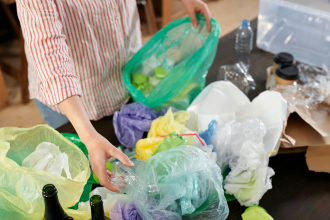
From basic needs to basic waste: Unpacking plastic mismanagement
In late 2025, major global food and consumer goods producers—including PepsiCo, Nestlé, Coca-Cola, Procter & Gamble, and Unilever —met in Europe to discuss the future of packaging[1]. The summit focused on new ideas to make packaging more sustainable and reduce waste. However, one important issue remains unclear: did the event incorporate the voices and concerns of countries in the Global South?
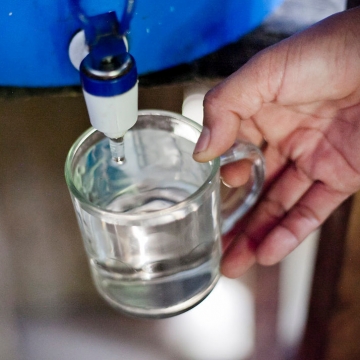
Effect of Drinking Water Sources on the Health of Children Under Five in South Sudan
EfD Authors:
Abstract
Introduction: South Sudan has higher rates of under-five morbidity and mortality compared to other countries in the African region. Diarrhea is one of the major causes of death among children under five, both globally and in South Sudan. One of the main factors contributing to diarrheal infections, especially among young children, is the source of drinking water. This paper aims to establish the effect of drinking water sources on diarrheal morbidities among children under five in South Sudan.