A cautious approach to subsidies for environmental sustainability
EfD Authors:
Transformational change is possible, but design and implementation must seek to avoid lock-in

Transformational change is possible, but design and implementation must seek to avoid lock-in
This study evaluates the Vietnamese shrimp farming industry through a Triple Bottom Line (TBL) perspective, using the Aquaculture Performance Indicators (API) to assess social, economic, and environmental performance. Over the past 25 years, Vietnamese shrimp farming has grown rapidly and diversified into four systems: Extensive, Semi-intensive, Intensive, and Super-intensive, and data is collected for all these systems.
Estimating the cost to society from a ton of CO 2, termed the social cost of carbon (SCC), requires connecting a model of the climate system with a representation of the economic and social effects of changes in climate, and the aggregation of diverse, uncertain impacts across both time and space. A growing literature has examined the effect of fundamental structural elements of the models supporting SCC calculations. This work has accumulated in a piecemeal fashion, leaving their relative importance unclear.
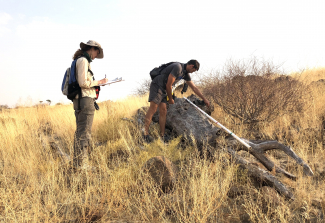
Climate change is a challenge for Protected Areas (PA), such as national parks, in many aspects. It can affect biodiversity, infrastructure, and income from tourism. With limited resources, how should
Carbon tax has been shown to generate revenue and contribute to greenhouse gas reduction in several parts of the world. Yet, the lack of public support has continued undermining its implementation in
Objectives: The objective of this study was to assess the effect of household participation in climate smart nutrition-sensitive agriculture (NSA) interventions on maternal and young child nutrition outcomes in Makueni, Garissa and Tana River counties.
Abstract: The lived realities of many rural communities, and even the urban poor in Kenya, are characterised by poverty, inequality, high dependence on natural resources, rainfed agriculture, and sociocultural norms that influence their action or inaction. Recurrent droughts, floods, and changing rainfall patterns, largely caused by climate change and climate variability, further reinforce these communities' challenges.