FILTER
Displaying 481 - 490 of 1280 publications
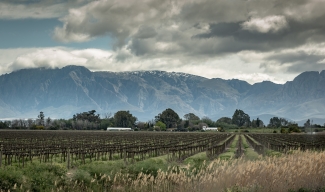
Energy prices (for fuel and electricity) and energy price volatility impact wine prices. In the long run, we find a clear link between fuel and wine prices, implying that the two markets positively…
| Research Brief | South Africa
Key Points Drilling activities are very responsive to oil prices, while tight oil production is not very responsive. Tight oil production could decrease by 1.3-2.3 MMbbl/d (million barrels per day)…
| Research Brief || Peer Reviewed | India
Purpose – Climate change has become one of the most important development challenges worldwide. It affects various sectors, with agriculture the most vulnerable. In Ethiopia, climate change impacts…
| Peer Reviewed | EthiopiaAttempts to structurally transform segments of the agri-food system inevitably involve trade-offs between the priorities of actors with different incentives, perspectives and values. Trade-offs are…
| Peer Reviewed | Ethiopia, TanzaniaDemand for animal sourced food is predicted to double in the upcoming 20 years in Sub-Saharan Africa. This is simultaneously a big opportunity in terms of poverty reduction and a significant threat to…
| Peer Reviewed | Ethiopia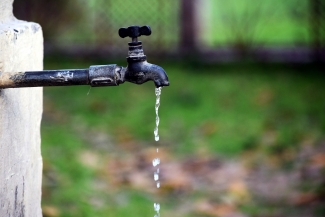
October 2020 When Cape Town, South Africa, experienced a severe drought, the city feared “Day Zero,” the day that water would no longer be supplied through water taps. We calculated Gini coefficients…
| Research Brief | South AfricaThis policy note provides a snapshot of water and sanitation measures implemented by governments in response to the COVID-19 pandemic in 14 countries in the Global South: Costa Rica, El Salvador…
| Peer Reviewed | South Africa, Ghana, Nigeria, Chile, Vietnam, Uganda, Kenya, Central America and MexicoAbstract We analyse two mechanism designs for refunding emission payments to polluting firms: output-based refunding (OBR) and expenditure-based refunding (EBR). In both instruments, emission fees are…
| Peer Reviewed | SwedenRecent studies on Chile agree that the country’s youth enjoy greater social mobility than previous generations. This has been attributed either to their greater access to higher education or to life…
| Peer Reviewed | Chile