
EEU Seminar: Hide-Fumi Yokoo
The next EEU Seminar will be held on Monday the 14th of October at 12:10 – 13:15 in B44. The seminar will be held by Hide-Fumi Yokoo and he will be presenting on the topic of : Subjective expectations…
The next EEU Seminar will be held on Monday the 14th of October at 12:10 – 13:15 in B44. The seminar will be held by Hide-Fumi Yokoo and he will be presenting on the topic of : Subjective expectations…
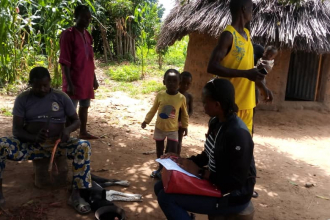
The risk of violence that rural households perceive affects their agricultural output and economic welfare. EfD Researcher and WinEED member Amaka Nnaji , and co-authors have studied the consequences…

Check your mailbox! (Check the spam filter too!) If you haven't subscribed yet, just fill in your e-mail address in the subscribe box at the bottom of this page, so you don't miss any news from us…
A new study has shed light on the challenges and successes of Senegal's National Action Plan to integrate gender equality into its energy policies by examining the political and economic factors…

At a recent seminar hosted by EfD Ghana, participants called for urgent policy changes to address inefficiencies in Ghana’s artisanal fishing sector. Titled “ Is Premix Fuel Subsidy in Ghana’s…

Nairobi will be the epicenter of policy discussions at the EfD Policy Day 2024 on October 2. The event, held in conjunction with EfD’s Annual Meeting, will bring together policymakers, researchers…
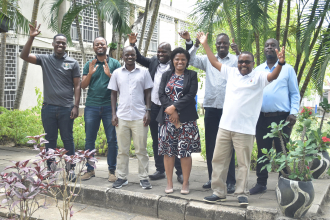
A two-day intensive training program on the Inclusive Green Economy (IGE) in Practice was held on September 18-19, 2024, at the University of Dar es Salaam. This training aimed to equip senior civil…
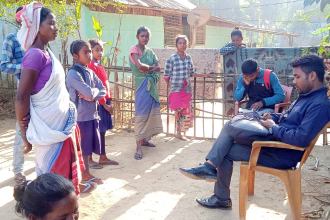
Over 50 million people in India, especially children, are exposed to arsenic-contaminated water. Yet demand for safe drinking water remains low. An experiment in Assam by researchers Rashmi Barua…
Carbon pricing has recently gained further momentum from the European Union (EU)'s plan for the Carbon Border Adjustment Mechanism (CBAM). The CBAM aims to align the greenhouse gas (GHG) emission costs in imported products with those within the EU. CBAM will affect foreign producers in targeted sectors, incentivizing them to employ low-emission technology, and encouraging trading partners to implement carbon pricing akin to the EU's.
As the world’s largest producer of fish, China has faced significant challenges in developing its fisheries. Over the past four decades, China has implemented and adjusted multiple regulations and measures to reverse the decline of aquatic resources and achieve sustainable fisheries. This study analyzes the production trends and efforts during the period 1980–2019, highlighting the key features of and structural shifts in China’s fisheries. Our results reveal a significant shift in seafood production from capture to aquaculture and from offshore to inshore waters.