| Covid-19, Experiments, Policy Design | Vietnam

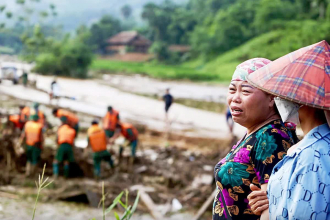
Typhoon Yagi sparks record donations, reflecting recent insights on crisis generosity

Typhoon Yagi hit Vietnam in September 2024, becoming the most powerful storm to strike the country in 70 years. It caused widespread destruction in the northern regions, resulting in extensive humanitarian efforts and demonstrating the nation’s spirit of unity. This wave of generosity caught my attention particularly because it aligns with fascinating findings from a recent study by EfD researcher Ho Quoc Thong and his team, which looked at how awareness of donations influences people’s willingness to help during crises, particularly examining how this varies between men and women.

mailbox

October's newsletter is out!

Check your mailbox! (Check the spam filter too!) If you haven't subscribed yet, just fill in your e-mail address in the subscribe box at the bottom of this page, so you don't miss any news from us…

Policy instruments to achieve cleaner cooking practices - experiences and cross-country learning from the East African region

Submitted by Petra Hansson on

Transformation towards an inclusive green economy is one of the prerequisites for achieving the sustainable development goals in Agenda 2030. 

Energy, Health, Land, Policy Design, Urban

Carbon pricing and household welfare: evidence from Uganda

Submitted by Ishita Datta on

AbstractPolicymakers frequently voice concerns that carbon pricing could impair economic development in the short run, especially in low-income countries such as Uganda. Using a consumer demand system for energy and food items, we assess how households’ welfare, and demand for food and energy, would respond to a carbon price of USD40/tCO2. We find welfare losses of 0.2–12 per cent of household expenditure on food and fuel, due to the carbon price. Average demand for electricity and kerosene decline by 11 and 20 per cent respectively, while firewood demand rises by 10 per cent on average.