Policy Dialogue with Mukono District Leadership
Environmental Economists from the Environment for Development-Makerere University (EfD-Mak) Centre on 20th February 2020 conducted a policy tour of Mukono District Local Government headquarters where
Environmental Economists from the Environment for Development-Makerere University (EfD-Mak) Centre on 20th February 2020 conducted a policy tour of Mukono District Local Government headquarters where
Environmentalist and economists from Environment for Development Initiative (EfD– Mak Centre) set out from the Ivory Tower to Wakiso district headquarters to dialogue with the councilors on the
Environment for Development Initiative (EfD–Mak) Centre on 7th November 2019 hosted its first policy dialogue on Governance and Natural Resources at the Senate Conference Room Makerere University. The
At the end of every rice-growing season in north-west India, usually in midNovember, farmers harvest their crop using combine harvesters. Most farmers then burn the left-over rice straw out in the
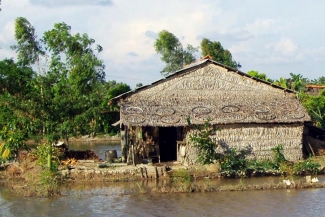
A considerable potential of the market for agricultural flood insurance in the MRD. If this market is deployed, the Vietnamese government could reduce the burden of subsidy for disaster relief in the
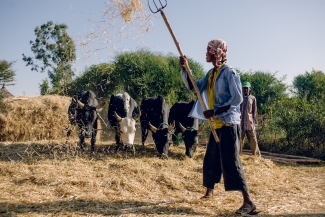
Young farmers in the vicinity of Wukro in northern Ethiopia see a future in which their livestock production is improved, where their animals get balanced feed and modern shelter, and where they have
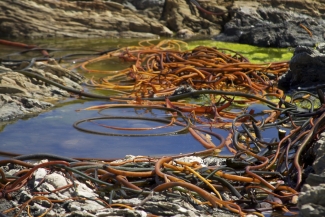
The high cost of starting up seaweed cultivation projects along the Chilean coastline is the main hurdle to the aquaculture industry restoring areas where this key marine resource has been heavily

Researchers at EfD-Kenya have found new evidence that nutritional poverty is linked with climate change and variability. ‘In Kenya and other African countries, a majority of farmers depend on rainfall
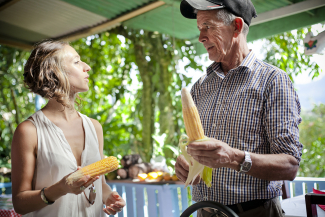
Central America has more than 2.3 million families depending on agriculture and natural resources for their livelihoods, making them vulnerable to climate change risks such as rising temperatures
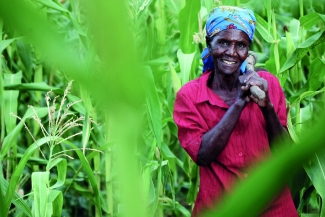
A recent study in Kenya shows that climate change and variability will increase food insecurity and that different food crops will respond differently to climate change variables. The study also