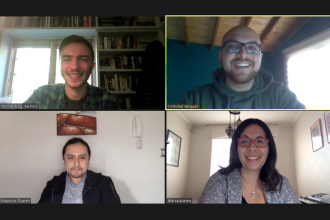
SETI moves to Chile and gears up for a new phase
The Sustainable Energy Transitions Initiative (SETI) , EfD’s energy collaborative, has moved to EfD Chile , and with the continued support of the colleagues at Duke University and the broader network…

Study recommends inclusive access to health and nutrition for Nigerian urban dwellers
A new study on Analysis of equity and social inclusiveness of national urban development policies and strategies through the lenses of health and nutrition has highlighted the need to review Nigeria’s…
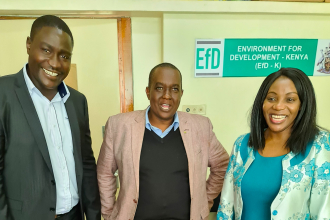
Inclusive green economy program for East Africa is launched
An extensive program for capacity development in five African countries has now kicked off. Environment for Development (EfD) and Gothenburg Centre for Sustainable Development (GMV) at the University…

Society for Benefit-Cost Analysis: European Conference 2021.
The second Society for Benefit-Cost Analysis: European Conference 2021 (SBCAEC2021) will be held digitally between October 19 and 20, 2021. The Society for Benefit-Cost Analysis (SBCA…
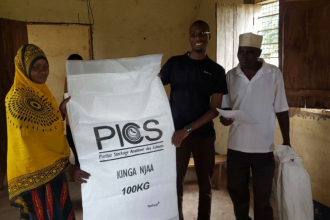
Stop post-harvest loss to end waste and improve food security
The reduction of post-harvest loss (PHL), is important to address food security challenges. The rural poor who are dependent on their agricultural production requires training and storage materials…
Development Talks: Connecting gender equality and biodiversity
Connecting gender equality and biodiversity - for sustainable societies Welcome to a webinar on how to promote gender-transformative solutions for addressing biodiversity loss and climate change. Date…
Applied Economist/Social Scientist Global Science
The Nature Conservancy is the leading conservation organization working to make a positive impact around the world in more than 60 countries, all 50 United States, and your neighborhood. Founded in 1951, the mission of The Nature Conservancy is to conserve the lands and waters on which all life depends. One of our core values is our commitment to diversity therefore we are committed to a globally diverse and culturally competent workforce. Visit www.nature.org/aboutus to learn more.