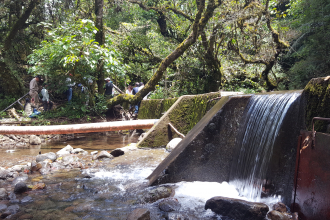
Better water management with volumetric pricing
Róger Madrigal, EfD Director of EfD Central America held two virtual presentations in May about the challenges regarding water management, with a focus on effective solutions. In rural and peri-urban…
Róger Madrigal, EfD Director of EfD Central America held two virtual presentations in May about the challenges regarding water management, with a focus on effective solutions. In rural and peri-urban…

Circular economy is increasingly discussed in Swedish, European, and international public policymaking. A report by EfD researchers, Circular Economy – a Conceptual Review and Analysis of Implications…
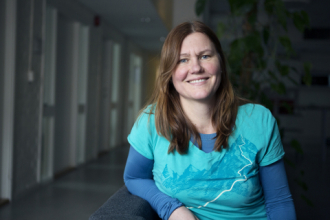
The election for the European Association of Environmental and Resource Economists ( EAERE ) is coming up. This year the members of EAERE are voting for a president and two new members of the council…
Date: 26 May 15h00-17h00 (Central African Time) Presenters: Margaret Chitiga-Mabugu, Vice President, AFAERE Riad Sultan, Senior Lecturer: Economics, University of Mauritius Green jobs assessment…
Two virtual outreach events take place on 26 May (in French) and 27 May (in English) 2021. They are organized by the United Nations University’s Institute for Natural Resources in Africa (UNU-INRA)…
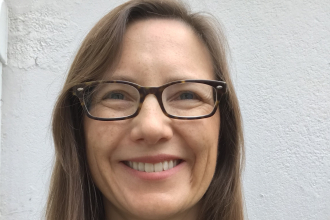
The Grantham Research Institute has appointed Professor Elizabeth Robinson as its new Director from 1 September 2021. She is currently Professor of Environmental Economics at the School of Agriculture…

EfD Chile is working side-by-side with the Ministry of the Environment in the design of a wood stove replacement program and is now participating in developing strategies related to government urban
The women in econ leman is a local academic initiative with the goal to push for gender equality and to be allies to under-represented groups in the economics profession. Their conference "Rare Voices…