Dirty fuel dominates the energy mix in Kenya
Kenya's energy mix encompasses biomass, oil, electricity, coal, and hydrogen, with coal and hydrogen being less prevalent. Most Kenyan citizens rely on biomass, especially firewood and charcoal, but…

Kenya's energy mix encompasses biomass, oil, electricity, coal, and hydrogen, with coal and hydrogen being less prevalent. Most Kenyan citizens rely on biomass, especially firewood and charcoal, but…
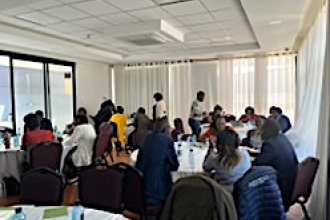
Manuel Estay and Leonardo Salazar are research fellows from NENRE EfD-Chile and participated in one of the latest episodes of the TV show Exploradores (Explorers). They addressed the Chilean…
The study identifies current energy markets and associated (actors) stakeholders in Africa. It will then recommend institutional structures that could reconcile the VCM with Articles 4 (binding
In 2008 the International Maritime Organization (IMO) decided on more stringent requirements from 2015 for airborne emissions of sulphur dioxide from sea transports in the sulphur emission control areas (SECA). The European SECA comprises the Baltic Sea, the North Sea and the English Channel. The paper contains an overview of the European studies that have been carried out to investigate the impacts of IMO's more stringent sulphur requirements. All studies were carried out after IMO's decision in 2008 (which means that the decision was taken based on other reasons).
PurposeThe authors estimated the hidden overhead (capital diversion or wasteful use of capital) of Vietnam state-owned enterprises (SOEs).Design/methodology/approachThe authors used a panel data set of 10,200 Vietnam SOEs observed over the period 2010–2018. The authors modeled and estimated the hidden overhead by using a stochastic production frontier. The hidden overhead parameter is modelled as the technical inefficiency in the production function.FindingsVietnam SOEs are very capital intensive.
The combined effects of climate change, marine tourism and other stressors threaten the ecological and economic sustainability of coral reefs. This study investigates dive industry stakeholder awareness of the threats to coral reefs through structured interviews with Dive Masters, company managers and marine management agencies in Vietnam, Australia, Malaysia and Indonesia. Stakeholders from all locations have observed degradation of local reefs. Destructive fishing was identified as the principal threat in all regions except Australia.