The social cost of methane

Submitted by Petra Hansson on

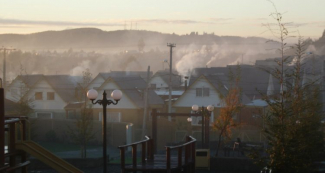
AbstractA rapid and sustained reduction of methane emissions has been proposed recently as a key strategy to meet the climate targets of the Paris Agreement. The social cost of methane (SCM), which expresses the climate damage cost associated with an additional metric ton of methane emitted, is a metric that can be used to design policies to reduce the emissions of this gas.

Air Quality, Climate Change, Policy Design
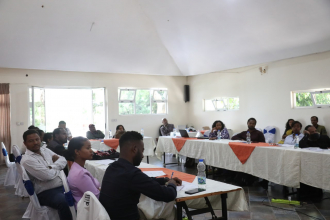
Cartagena workshop

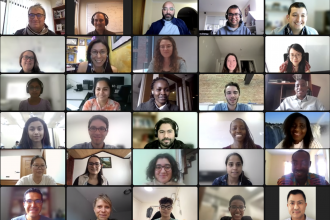
An actionable research agenda for the Global South is now finalized

60 researchers from EfD and partner organizations have been working intensely for a year and a half to develop a research agenda to support a low-carbon transition and gender equity in the Global…

Do improved cookstoves save time and improve gender outcomes? Evidence from six developing countries

Submitted by Cristóbal Vásquez on

Three billion people around the world lack access to affordable and reliable clean cooking energy. The case for clean energy has largely been built around health and or environmental benefits, neglecting potentially sizeable benefit(s): when households have clean energy, they can save time and reduce drudgery. Clean energy can reduce poverty. But how large are time savings from the adoption and use of improved cookstoves (ICS)? Do these benefits accrue especially to women?

Air Quality, Climate Change, Energy

The morbidity costs of air pollution through the Lens of Health Spending in China

Submitted by Hang Yin on

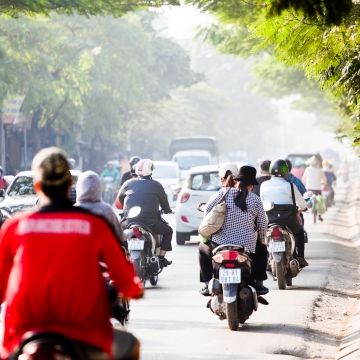
This study is one of the first to present causal evidence of the morbidity costs of fine particulates (PM2.5) for all age cohorts in a developing country, using individual-level health spending data from a basic medical insurance program in Wuhan, China. Our instrumental variable (IV) approach uses thermal inversion to address potential endogeneity in PM2.5 concentrations and shows that PM2.5 imposes a significant impact on healthcare expenditures.

Air Quality, Health