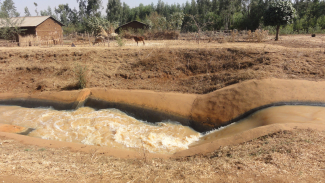
Farmers are willing to pay for irrigation
How can charging money for something that was free be a good idea for poor farmers? It turns out that pricing irrigation water will help improve Ethiopian farmers’ efficiency in water use, increase
How can charging money for something that was free be a good idea for poor farmers? It turns out that pricing irrigation water will help improve Ethiopian farmers’ efficiency in water use, increase

People in Central America’s rural areas will face a 20 percent decline of drinking water availability by 2050, estimates show. EfD researchers are now collecting information from 8 000 households in
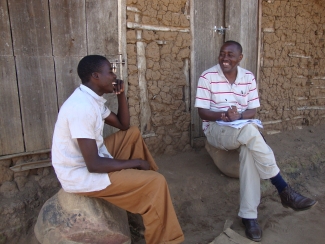
To make hydroelectric power work better in rural communities, EfD Tanzania researchers decided to have in-depth contact with the grassroots through community-based and civil society organizations

The South African node of the EfD network, the Environmental Economics Policy Research Unit at the University of Cape Town is working towards influencing South African policy in four key areas
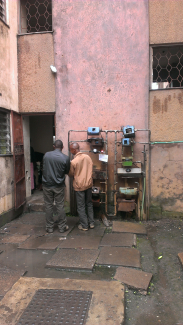
Like many water utilities across the globe, Nairobi City Water and Sewer Company implements an increasing block tariff. Recent research conducted by EfD Kenya, however, finds that the increasing block
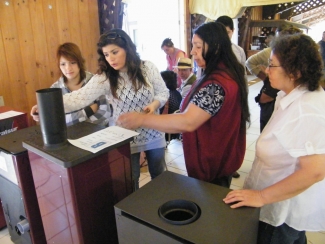
Air pollution caused by wood-burning in homes for cooking and heating purposes is one of the most important environmental problems in Chile, affecting thousands of families and causing early mortality
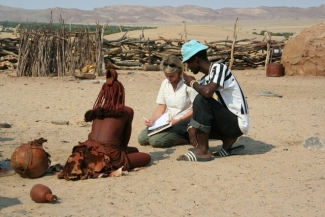
Development-focused eco-tourism partnerships between local communities and private enterprises are more likely to succeed if the communities living on the edge of protected areas are able to make

Climate change poses a threat to reliable supplies of drinking water in rural areas. EfD Central America (CATIE) is working with rural communities in Costa Rica, Guatemala and Nicaragua to develop
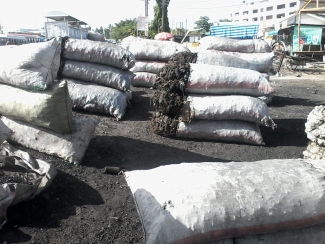
Charcoal is the most commonly used cooking fuel for urban households in Tanzania. But charcoal use has complex implications for climate change, poverty, and health. “Cutting trees to make charcoal is
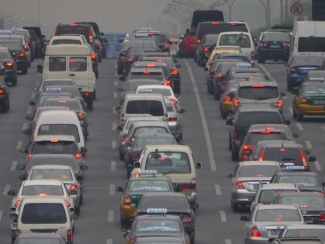
A plan to reduce automobile traffic in Beijing was in the hands of the city’s mayor in late 2013. EfD China played a major role in figuring out what strategies would – and would not – be likely to