FILTER
Displaying 491 - 500 of 4162 publications
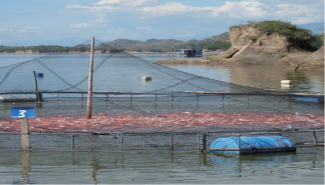
Questions: 1. Is tilapia production in Huila a sustainable endeavor from the Triple Bottom Line (Economic, Social, Environmental) perspective? 2. Are there any significant differences in…
| Research Brief | Colombia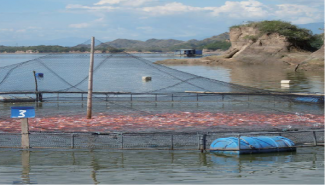
Abstract Reaching a production level of 200,000 tons (live weight) in 2022, the tilapia industry has emerged as the most important finfish farming sector in Colombia. Located in the southwest of the…
| EfD Discussion Paper | ColombiaAs national social safety nets are expanding in Africa and globally, evidence on the impact of programs on youth transitions can help guide future investment and program design decisions. This paper…
| Peer Reviewed | GhanaUsing a multinomial endogenous switching regression model, this study examined the factors that influence farmers’ decisions to adopt multiple integrated technologies and then estimated the effects of…
| Peer Reviewed | GhanaWe conducted a nationwide field experiment in China to evaluate the direct and indirect impacts of assigning firms to public or private citizen appeals when they violate pollution standards. There are…
| Peer Reviewed |Abstract India faces significant air quality challenges, contributing to local health and global climate concerns. Despite a national ban on agricultural residue burning and various incentive schemes…
| Peer Reviewed | IndiaAbstract Off grid solar electrification of remote, rural communities that are difficult to reach cost-effectively through grid extension is a core component of Ethiopia’s energy access strategy. One…
| Peer Reviewed | EthiopiaThis study applies Value-Belief-Norm (VBN) theory to investigate fishers' pro-environmental behavioral intention and their support for policies to reduce marine litter. While pro-environmental…
| Peer Reviewed | VietnamNearly 2.3 billion people lack access to clean cooking fuels and technologies worldwide, representing a critical failure to achieve SDG7’s cooking energy access goal. In Sub-Saharan Africa, dependence…
| Peer Reviewed | South Africa, Chile, Tanzania, KenyaWater for cultural and religious purposes, referred to as ceremonial and subsistence (C&S) use, is a distinctive feature of many Indigenous and other communities. Whether this constitutes a legitimate…
| Peer Reviewed |