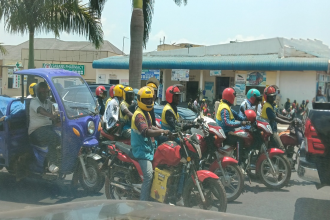
Which road should African producers choose in times of electrification?
Africa currently has only a little over 1 percent of the global automotive industry, both in terms of market and production. In addition, most of the demand is for imported used cars. With growing…
30: Emissions pricing
Nearly 500 attended course on panel data econometrics
EfD, in collaboration with the Standing Panel for Impact Assessment (SPIA), conducted a free online Ph.D. panel data econometrics course that attracted almost 500 participants from across all…
Reimagining carbon border adjustment mechanisms: A path to climate and development synergy
The European Union (EU)'s Carbon Border Adjustment Mechanism (CBAM) imposes import charges tied to carbon intensity and is set for full enforcement by 2026. Although it aims to reduce global emissions, its one-size- ts-all structure risks penalizing developing nations that often lack nancial and technical resources for rapid decarbonization. This article presents CBAM-Plus, a framework that reinvests CBAM revenues in clean energy infrastructure, facilitates technology transfer, and recognizes non-pricing mitigation strategies.
Strategic power expansion and renewable integration in pathways to the Net-Zero in Vietnam
Decarbonizing the power sector and the transition to a low-carbon energy future are critical strategies for reducing emissions.
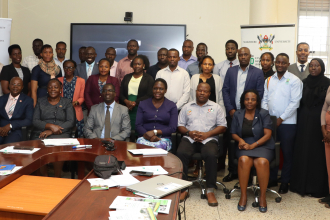
EfD-Uganda advocates community-based conservation
Over 40 senior officials from Uganda’s government ministries and agencies have been called upon to place communities at the heart of biodiversity conservation. The call came during a two-day high…
The public’s views on climate policies in seven large global south countries
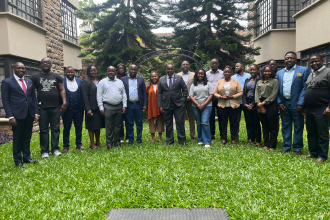
Kenya’s carbon market momentum grows amid calls for transparency, equity, and capacity building
Kenya is advancing efforts to develop voluntary carbon markets (VCM) as part of its climate mitigation strategy. At a recent high-level workshop in Nairobi convened by EfD Kenya, representatives from…
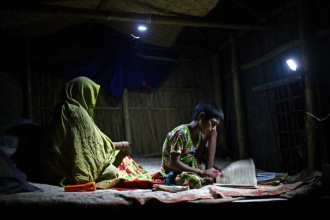
Research uncovers political influence in Bangladesh’s solar electrification program
A recently published study sheds light on how political influence affects the distribution of public resources, specifically focusing on Northern Bangladesh's TR/Kabita solar home system program. Co…