SCOPE: Building momentum for sustainable consumption and production
In 2025, the SCOPE collaborative program brought researchers, policymakers, and practitioners together across regions, creating a shared foundation for work on plastic, electronic, and textile waste in the Global South.
In Bogotá, during the first LAERE (Latin American Association of Environmental and Resource Economists) meeting, SCOPE partners from Latin America, Africa, and Europe compared research experiences on waste generation and recycling systems. These exchanges helped identify how products reach end-of-life, who handles them, and what constraints limit circular solutions.
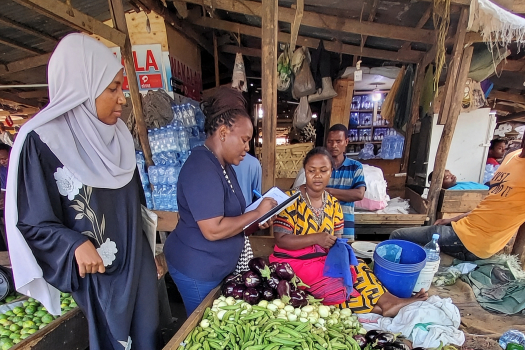
Policy engagement played a crucial role throughout the year. In Nairobi, local policymakers, recyclers, industry representatives, and civil society groups described the day-to-day realities of managing rapidly growing waste streams.
These conversations highlighted the scale of second-hand imports, the risks faced by informal workers, and the need for better data to guide the rollout of new regulations such as extended producer responsibility.
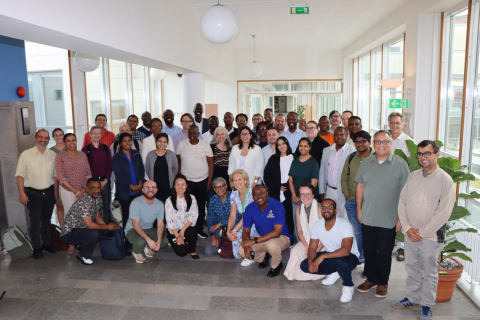
Building on insights from the Nairobi workshop, a subsequent meeting in Wageningen transformed these discussions into a concrete research plan. Teams from Ghana, Kenya, Nigeria, India, Mexico, and Costa Rica agreed on methods for tracking waste flows, engaging informal workers, and examining regulatory frameworks. By the end of the meeting, SCOPE had a multi-country proposal, later approved for implementation in 2026–2027, focused on understanding textile and electronic waste challenges.
Policy engagement continued later in the year in Lagos, where further discussions with policymakers, recyclers, industry representatives, and civil society groups informed the team’s research agenda.
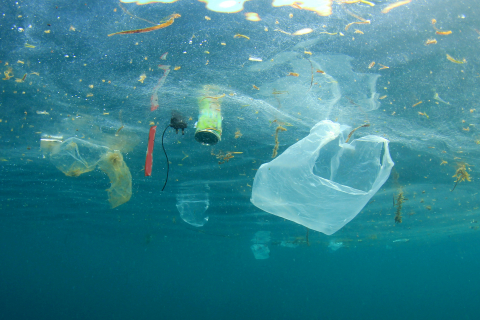
SCOPE researchers also advanced work on plastic consumption in Costa Rica. By documenting the plastic embedded in a basic household consumption basket, the team made visible how everyday purchases accumulate into significant waste streams. Conducted in collaboration with UNDP Costa Rica, the study offered practical evidence to support ongoing discussions about sustainable consumption.
Across these threads, 2025 marked a year of consolidation and preparation. SCOPE strengthened its scientific foundations, deepened collaboration across countries and disciplines, and ensured that upcoming research responds directly to the priorities expressed by local partners.
SETI: Advancing policy-relevant evidence for energy transitions
In 2025, the Sustainable Energy Transitions Initiative (SETI) strengthened its role as an...
NatCap: Building evidence, partnerships and practical solutions in the Global South
In 2025, the Natural Capital collaborative (NatCap) amplified its ambitions to connect researchers...
CPfD: Research at the nexus of pollution, climate change, health and equality
In 2025, the Climate Policy for Development (CPfD) Collaborative expanded its research and policy...
BlueRforD: Advancing research for sustainable fisheries and aquaculture
In 2025, the Blue Resources for Development (BlueRforD) program has sharpened its research agenda in...

EfD research in 2025 focused on developing the collaborative programs
The year started with the implementation of 16 EfD-funded research projects that were approved in...