SETI: Advancing policy-relevant evidence for energy transitions
In 2025, the Sustainable Energy Transitions Initiative (SETI) strengthened its role as an international hub for evidence-based solutions to urgent energy challenges.
A focus this year was on generating comparable, policy-ready evidence across countries. SETI teams worked closely with governments, businesses, and civil society to identify priority questions and produce research that meets real-world needs.
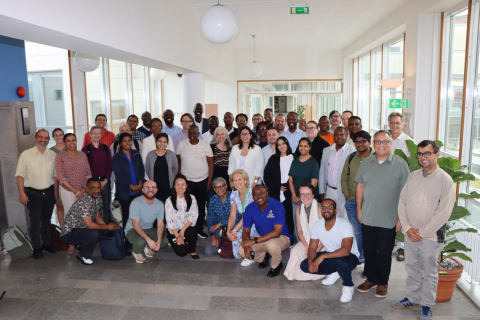
This approach guided the agenda at the 10th SETI Annual Meeting in Gothenburg, where researchers and partners focused on six areas for 2025-27: electrification; clean cooking; gender and productive use; e-mobility; ag-tech value chains; and burning plastic waste as fuel. The process helped to identify three focus areas while strengthening alignment for the coming years.
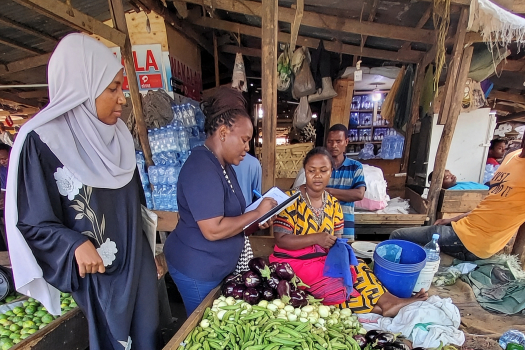
SETI’s energy–waste research collaboration revealed how and why households across 26 low- and middle-income countries burn plastic waste as fuel. The findings, later highlighted in international media, expose a hidden health risk linked to energy poverty and poor waste services.
The research sparked new partnerships and discussions on interventions that protect both people and the environment.
SETI researchers did impact evaluations of foundation-funded investments in cold storage and solar irrigation systems in Kenya. The findings were shared with the funder and other involved and provided the entrepreneurs with evidence required to attract additional finance.
Early-career researchers, from PhD students to postdoctoral fellows, were integrated into strategic meetings, research design processes, and policy dialogues to ensure long-term, high-quality research.
The SETI collaborative had multiple engagements with different policy actors for knowledge exchange and to anchor the research agenda in energy access realities. In 2025, SETI researchers prepared a policy report, Challenges and opportunities for implementation of inclusive sustainable energy transition policies in East Africa. It builds on SETI’s collaboration with civil servants and policy engagement specialists from five East African countries under the EfD Inclusive Green Economy program.
Across its activities, the SETI network of over 80 researchers contributes to more evidence, providing insights for governments and communities navigating the energy transition.
SCOPE: Building momentum for sustainable consumption and production
In 2025, the SCOPE collaborative program brought researchers, policymakers, and practitioners...
NatCap: Building evidence, partnerships and practical solutions in the Global South
In 2025, the Natural Capital collaborative (NatCap) amplified its ambitions to connect researchers...
CPfD: Research at the nexus of pollution, climate change, health and equality
In 2025, the Climate Policy for Development (CPfD) Collaborative expanded its research and policy...

BlueRforD: Advancing research for sustainable fisheries and aquaculture
In 2025, the Blue Resources for Development (BlueRforD) program has sharpened its research agenda in...

EfD research in 2025 focused on developing the collaborative programs
The year started with the implementation of 16 EfD-funded research projects that were approved in...