EfD Ethiopia hosts dialogue on sustainable energy transition
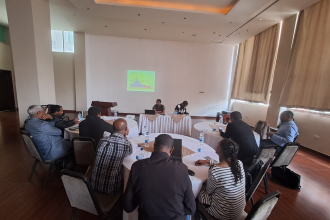
EfD Ethiopia conducted a dialogue workshop on sustainable energy transition with senior experts from relevant stakeholders on April 26, 2023. The Ethiopian team of the Inclusive Green Economy (IGE)…
Energy and equality featured in award-winning Duke podcast
"Ways and Means" is a podcast produced by the Sanford School of Public Policy at Duke University, that serves as a space to expose ideas on how to improve society in several areas. In a recent episode…
EEU Seminar - Gustav Angeman
Please join us at this EEU seminar with Gustav Angeman from Lund University. Gustav Angeman is a postdoctoral Researcher at Lund University. He holds a Ph.D. in Economics from the University of…
Seminar with Ottmar Edenhofer
Please join the seminar hosted by the Economics Department at the University of Gothenburg at their "General Economics Seminar" with Ottmar Edenhofer as the invited speaker. Ottmar Edenhofer is the…
An actionable research agenda for the Global South is now finalized
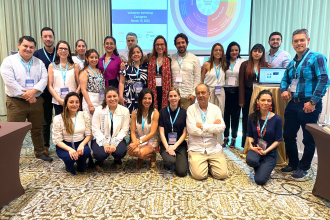
60 researchers from EfD and partner organizations have been working intensely for a year and a half to develop a research agenda to support a low-carbon transition and gender equity in the Global…

Sustainable Energy Transitions - brief actionable research agenda
EfD Authors:
Sustainable Energy Transitions, with emphasis on gendered and intersectional aspects, lies at the core of a low carbon society. The implications of energy interventions, policies, and transitions is part of a larger initiative to identify the most promising research issues to support an actionable low-carbon transition in the Global South. Aim: There is an urgent need to identify ways to overcome the challenges to inclusive and sustainable energy access in developing countries, so that a low-carbon transition will improve outcomes for women, youth, and other marginalized populations.
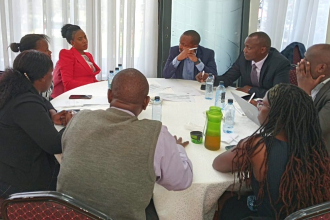
How to make a low-carbon transition fair and avoid unemployment
A shift to a low-carbon economy is urgent. Such a shift can create new jobs for people but may lead to unemployment and poverty for others. EfD Kenya organized a high-level stakeholder workshop on…
Do improved cookstoves save time and improve gender outcomes? Evidence from six developing countries
EfD Authors:
Three billion people around the world lack access to affordable and reliable clean cooking energy. The case for clean energy has largely been built around health and or environmental benefits, neglecting potentially sizeable benefit(s): when households have clean energy, they can save time and reduce drudgery. Clean energy can reduce poverty. But how large are time savings from the adoption and use of improved cookstoves (ICS)? Do these benefits accrue especially to women?