Highlights
- Uses 45,000 Afrobarometer interviews across 37 African countries (2021–2023).
- Perceived climate risks shape awareness, life quality, and climate policy preferences.
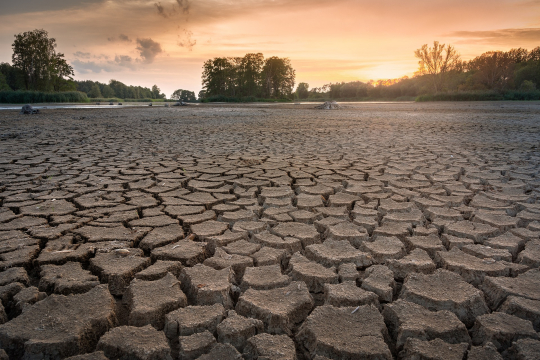
- Drought perceptions raise climate concern and perceived deterioration in life quality.
- Flood perceptions raise awareness but shift preferences toward jobs over environment.
- Poorer and less-educated groups remain least informed despite higher climate exposure.
Abstract
Africa emits roughly 4% of global greenhouse gases yet faces some of the world’s most damaging climate extremes. Using approximately 45,000$ face to face interviews from Afrobarometer Round 9 (2021–2023) across 37 countries, we examine how perceived increases in drought and flood severity relate to climate change awareness, risk perceptions, policy support, and evaluations of institutional effort. We estimate selection corrected probit and ordered probit models with extensive individual, household, and community controls and country fixed effects. Perceiving more severe droughts increases the probability of having heard of climate change by approximately 4 percentage points, makes respondents almost 10 points more likely to say climate change is making life “much worse,” strengthens support for government action even at economic cost, and heightens criticism that governments and rich countries are not doing enough. Perceived flood severity likewise raises awareness in close to 4 points but shows weaker – and sometimes countervailing – associations, shifting preferences toward jobs over environmental protection by 3 points. Effects are most pronounced among agriculture dependent households, while poorer and less educated citizens remain least informed overall, underscoring an information gap. The results demonstrate that hazard type matters for public opinion: slow onset droughts align experience with concern and collective action, whereas rapid onset floods are more often filtered through economic priorities. Risk specific, equity minded communication and policy design are therefore essential to sustain broad support for climate action across Africa.