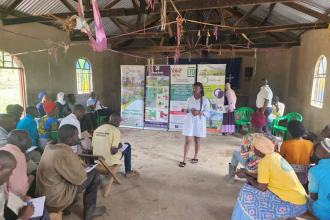
Clean energy solutions for agriculture: Empowering MSMEs in Sub-Saharan Africa
In the face of climate change and its disproportionate impact on agriculture, finding sustainable solutions for smallholder farmers is more critical than ever. With agriculture being the backbone of many Sub-Saharan African economies, adopting low-carbon technologies in this sector offers immense potential to drive inclusive economic growth while ensuring environmental sustainability.
International Conference on Development and Environmental Economics: SANDEE@25
South Asia and the Hindu Kush Himalaya (HKH) region face severe impacts from climate change, biodiversity loss, and pollution. Socio-economic challenges, including inequality, poverty, unemployment…
Risk and Risk Management in the Agricultural Economy
To promote research on the risks that are borne by individuals and firms in the agricultural sector, and on the tools that are available to manage these risks, the National Bureau of Economic Research…
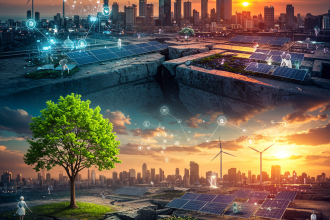
Conference on Resilience, Sustainability and Digital Transformation in a Changing World
About the Conference: The College of Economics, Law, and Government at the University of Economics Ho Chi Minh City is pleased to announce the International Conference on "Resilience, Sustainability…
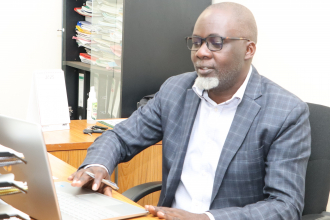
Championing Uganda’s Green Economy: Insights from Nathan Mununuzi
Nathan Mununuzi serves as a Senior Environmental Officer at Uganda’s Ministry of Water and Environment. A participant in the Inclusive Green Economy (IGE) Program coordinated by EfD Mununuzi shares…
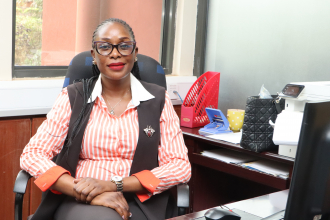
Pioneering Uganda's green future: IGE Fellow Maureen Anino on the IGE Program
Maureen Anino, Assistant Commissioner at Uganda’s Ministry of Water and Environment, was among the first cohort of fellows in the Inclusive Green Economy (IGE) program. Her experience reflects Uganda…
Reducing Emission of CO2 from Africa’s Tropical Forests: A Randomized Controlled Trial
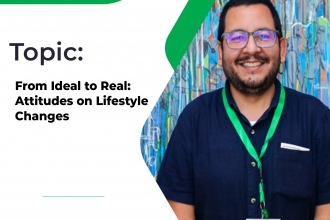
EfD Webinar series: Pablo Ernesto Evia Salas
Welcome to attend this free online EfD Webinar! Time: April 22, 2025, 2.00 -3.00 p.m. (CEST) Presenter: Pablo Ernesto Evia Salas . Topic: From Ideal to Real: Attitudes on Lifestyle Changes.