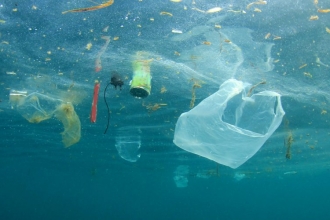
EfD launches marine research program
In 2018, EfD will launch a new collaborative research program. The two focus areas are effective managment and marine plastic waste.
|
Sweden
In 2018, EfD will launch a new collaborative research program. The two focus areas are effective managment and marine plastic waste.
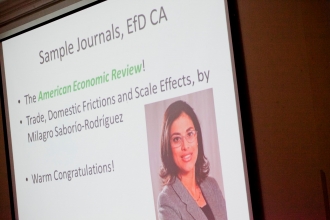
The 11 th Annual Meeting of the Environment for Development Initiative ended with a general assembly that looked backward and forward from four busy days in Addis Ababa, Ethiopia, October 26-30, 2017…
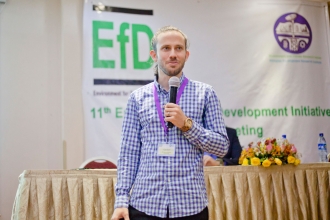
With the goal to “teach climate change to our future leaders,” Francisco Alpízar of Costa Rica and Erik Sterner Erik Sterner, doctoral candidate at Chalmers University, Sweden, introduced EfD’s…
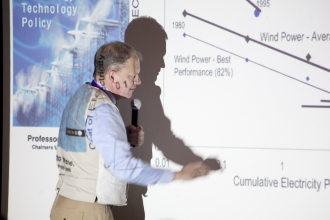
The cost of generating electricity from wind and solar power is falling so dramatically that low-carbon economic growth can become a reality in most parts of the world. That was the optimistic message…
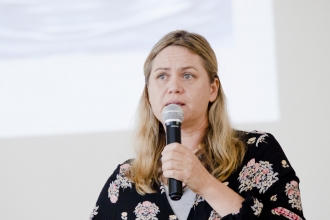
Turn on the water tap in Cape Town, South Africa in March, and nothing will come out. For the Environment for Development researchers at the University of Cape Town, there’s nothing faraway about…
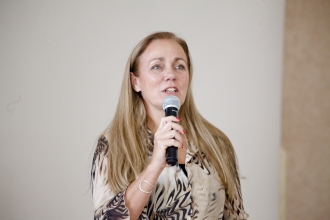
With a blunt warning that “the bad guys can’t hide anymore because we’re seeing them from the sky,” Kitty van der Heijden, Deputy Director of the World Resources Institute, told the 11 th Annual…
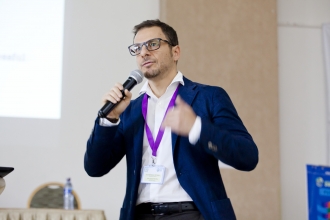
Making a change from working as a farmer to starting a small business is sometimes a good choice, but it works best if it’s a real choice instead of a response to poor conditions on the farm. That’s…
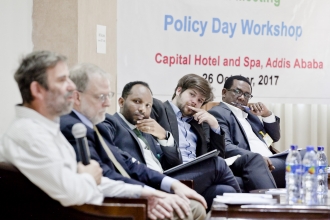
Clean and reliable energy is a “golden thread” in sustainable development, according to experts who gathered at the EfD Policy Day Workshop in Addis Ababa, Ethiopia, on October 26, 2017. Kicking off…
Missing or imperfect markets in several economic sectors explain the reality of the economic problems in developing countries. A market failure in any sector can lead to inefficient allocation of…
This year the EfD annual meeting will be held in Addis Ababa, Ethiopia from: October 27-30, 2017. It is hosted by the Environment and Climate Research Center (EfD - Ethiopia) and the EfD Secretariat…