Inclusive Green Economy Program: Highlights from 2025
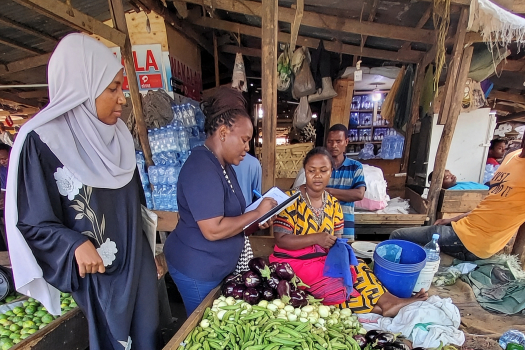
In 2025, the Inclusive Green Economy (IGE) program continued to strengthen capacity among civil servants across eastern Africa through workshops, training sessions, and growing peer learning networks. The year began with stakeholder workshops in Ethiopia and Rwanda, focusing on social inclusion and energy efficiency reforms.
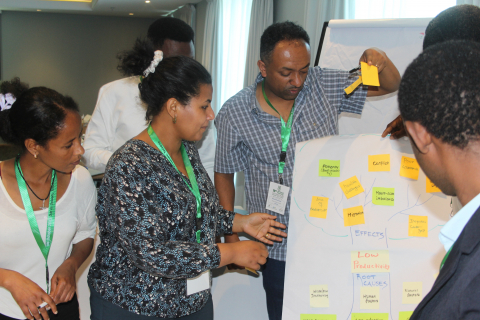
A major event was the cross-countryworkshop in Addis Ababa in March, where fellows from all participating countries shared progress on their Transformation Initiatives (a challenge-based process they conduct together with local researchers).
Throughout the year, the new 2025/2026 cohort participated in training sessions on IGE fundamentals, national systems for IGE, social inclusion, policy instruments, and climate-smart agriculture. July and August marked national forums with stakeholders in all participating countries, each concluding with the graduation of the 2024/2025 fellows.
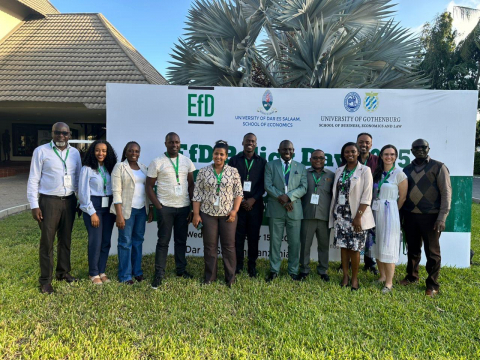
The regional IGEP Forum in Dar es Salaam in October brought alumni and current fellows together to participate in EfD’s Policy Day. They also established a regional secretariat—an important step toward long-term collaboration.
“All parts of the program are important, but what really stands out is how much the participants learn from each other. The network itself has become one of our strongest tools for change,” says Policy Engagement Coordinator Anna Mellin, who is part of the organizing team.
Monthly meetings and national alumni gatherings continued to sustain momentum, ensuring ongoing dialogue and support across the region.
THE IGE MODEL
The IGE program is a collaborative model for civil servants and researchers to learn about an Inclusive Green Economy in practice by combining applied research, stakeholder engagement, organizational change management, innovative thinking, and policy development.
Finance ministries better informed on climate change
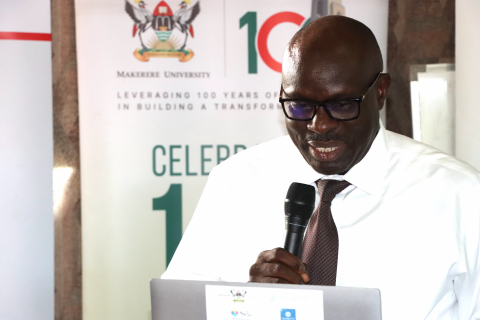
As climate impacts has begun to affect national budgets and long‑term planning, the interest of...
Creating a community for a greener future across Eastern Africa
The Inclusive Green Economy in Practice (IGEP) network made a significant leap forward in 2025 to...
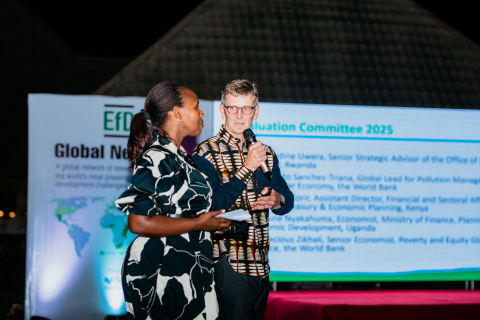
EfD Policy Impact Award encourages researchers' engagement
The EfD Policy Impact Award was presented for the fourth time at the EfD Annual Meeting in Dar es...
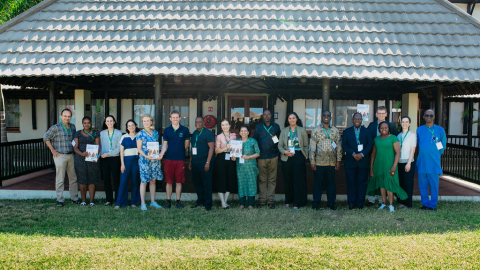
Launched in 2025: Handbook for researchers
It took over two years and involved 26 authors from across the EfD network. It was officially...
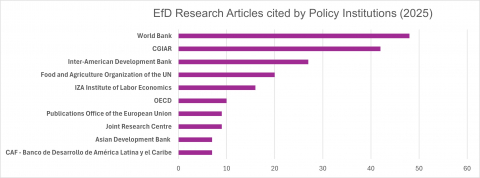
EfD research is cited in policy documents
EfD used, for the first time this year, the Overton tool to measure the policy impact of EfD...
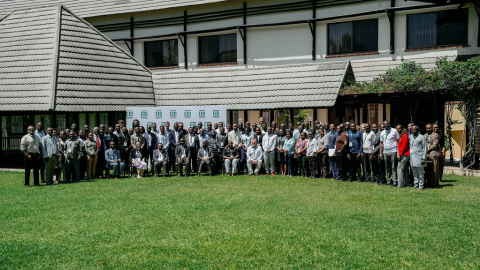
EfD's Policy Day: Solutions for resilient and sustainable agriculture
The Policy Day brought together 120 participants - policymakers from Eastern Africa, researchers...