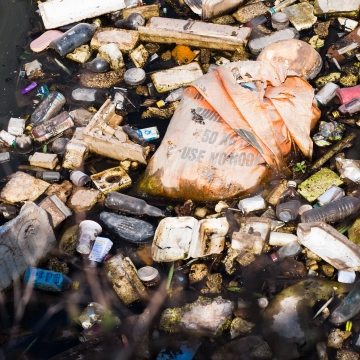
Addressing plastic bags consumption crises through store monetary and non-monetary interventions in South Africa
EfD Authors:
This research analyses the impact of retailer interventions focusing on the promotion of reusable bags to reduce plastic bag consumption. For this purpose, retail outlet data for March 2018–February 2020 was used. The retail outlet data was analyzed using a panel fixed effects model to evaluate the impact of three treatments on plastic and reusable bag consumption in South Africa.
Inclusive Green Economy Policy Review for Tanzania
Inclusive Green Economy Policy Review for Rwanda
EfD Authors:
In order to achieve Agenda 2030, we need to get the economic incentives right and make sure to leave no one behind. In other words, we need a transformation towards an inclusive green economy. Such transformation requires increased knowledge of, and capacity to apply, policy instruments such as bans, taxes, fees, subsidies, permits, and refund systems that generate incentives for an inclusive green economy. The Inclusive Green Economy (IGE) Program aims to strengthen the country and regional capacity of green economy transformation in Ethiopia, Kenya, Rwanda, Tanzania, and Uganda.
Inclusive Green Economy Policy Review for Ethiopia
Can school environmental education programs make children and parents more pro-environmental?
We evaluate the direct and indirect effects of an environmental educational program with value-laded content on children's and parents' knowledge, attitudes and practices regarding the consumption and disposal of plastics. We do this using a randomized field experiment targeting fourth-grade children in Chile. The educational program had a sizeable and a positive impact on children’ knowledge, attitudes, and practices, but no effect on parents' behavior.
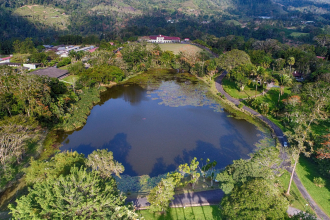
Wallace Conference
The eighth edition of the Wallace Scientific Conference will take place from May 30 to June 2, 2023, reuniting researchers, experts, and decision-makers that will discuss and analyze the…
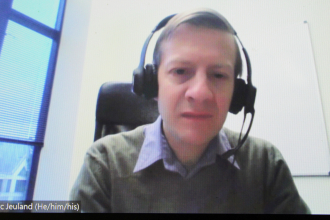
“Energy is the golden thread that connects economic growth, social equity and environmental sustainability”
EfD researcher Marc Jeuland from Duke University visited EfD Uganda on December 1st. He was invited to share his work in the area of energy economics in a seminar and inspire research fellows and…
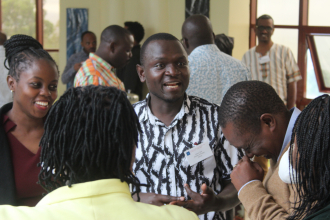
Senior civil servants met to discuss green growth policies
27 civil servants from five East African countries met in Rwanda on November 22-24 to discuss policies for achieving a green and inclusive economy in their countries. This cross-country workshop was a…
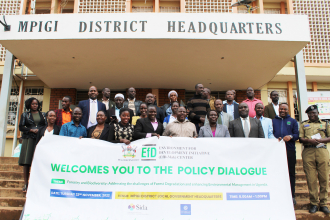
Uganda’s local governments want to decentralize governance of national forests
The Mpigi District Local Government and stakeholders in the forestry sector want environmental economists from Makerere University to conduct research on the impacts of decentralizing the governance…