
EfD Uganda established network and secretariat for inclusive green economy
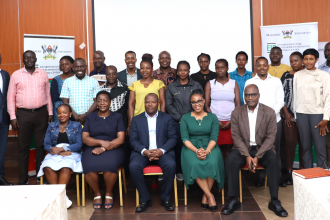
EfD has run an extensive and ambitious program, the Inclusive Green Economy in Practice program, since 2020 in five East African countries. In Uganda over 20 senior public servants from government…
Urban authorities called to harness human waste for biogas and fertilizers
Environmental economists from Makerere University have called on urban authorities to harness the abundant human and organic waste in the cities to produce biogas and organic fertilizers. They argue…
Household exposure to the risk of cooking smoke: Evidence from Sub-Saharan Africa
In Sub-Saharan Africa, the place of cooking and choice of fuel for cooking have detrimental effects on health due to excessive exposure to smoke. This study explores household-level exposure to the risk of cooking smoke and its associated determinants.
EfD Chilean team participated in the XIII Annual Meeting of the Chilean Society for Regional Studies (SOCHER)
The theme of the SOCHER 2023 meeting in the city of Valdivia in southern Chile was Territorial Challenges and Sustainability. Several EfD Chile fellow researchers, academics, and alumni from various…
Assessing the costs of ozone pollution in India for wheat producers, consumers, and government food welfare policies
We evaluate the impact of ozone pollution on wheat yields in India and its economic consequences for producers, consumers, and the government. Using an ozone flux–based risk assessment, we find that ambient ozone levels led to a 14.18% average reduction in wheat yields from 2008 to 2012. Irrigated wheat was particularly susceptible to ozone-induced losses, highlighting a potential threat to climate-change adaptation through irrigation expansion. Employing an economic model, we analyze the effects of a "pollution-free" scenario on various factors.
Pagination
- Previous page
- Page 8
- Next page