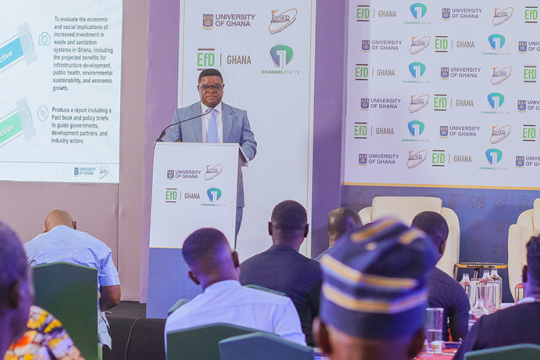
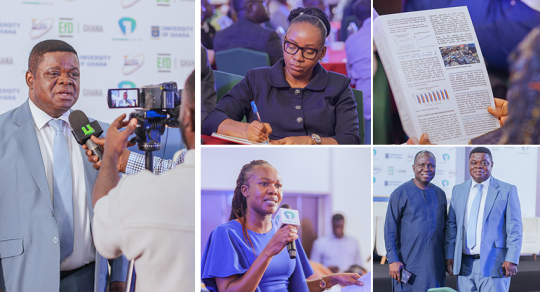
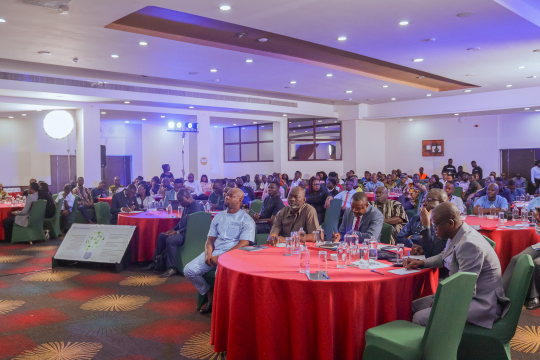
EfD Ghana participated in a high-level research dissemination and stakeholder engagement on sanitation and waste management in Ghana. Led by ISSER in collaboration with EfD Ghana, the event brought together leading policymakers, researchers, and sector actors to discuss the economic case for investing in sanitation.
The discussions centered on the study, An Economic Analysis of the Benefits of Adequate Investment in Waste Management and Sanitation in Ghana. The study examines sanitation and waste management as critical pillars of sustainable development and provides a rigorous economic assessment of the costs of inaction alongside the significant social and economic returns that strategic investments can unlock.
EfD Ghana members played key roles in both the study and the engagement session — as researchers, speakers, and participants — showcasing the network’s active contribution to evidence-based environmental policy at the national level.
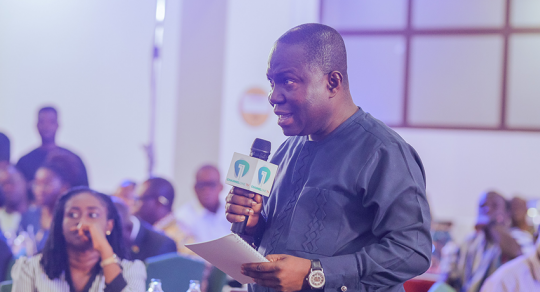
“EfD Ghana is pleased to be associated with this impactful study and engagement forum. It provides a strong platform to highlight our commitment to sustainable environmental management in Ghana. I congratulate the Principal Investigator, Peter Quartey, and the entire team for producing evidence capable of shaping national conversations and investment decisions,” said EfD Ghana Center Director Wisdom Akpalu.
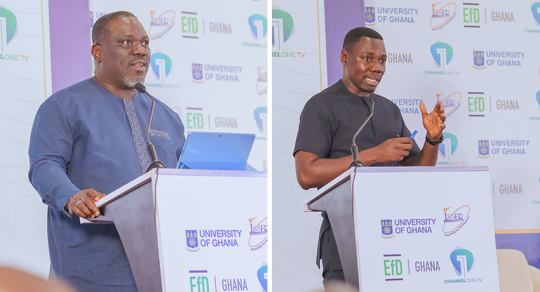
EfD members on the project include Professor Peter Quartey as principal investigator, with Ralph Armah and Ebo Turkson as co-investigators. Wisdom Akpalu and several other members participated actively in the dissemination and engagement, enriching discussions with informed reflections.
An exceptional gathering of policymakers
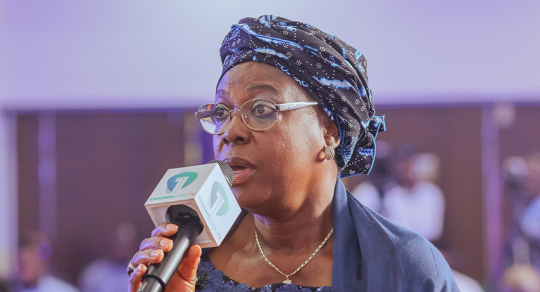
The high-level dialogue brought together an exceptional cross-section of policymakers and sector leaders, including at least five Parliamentary Select Committees: Local Government, Environment, Sanitation, Finance, and Health. Municipal Chief Executives, Chief Directors of ministries, private sector representatives, civil society organizations, development partners, and members of the media also attended.
Several participants praised the study’s relevance and quality.
“This report is going to be a template for the Water, Sanitation, and Health Committee. We will take it as a committee, review it critically, and use it to foster further collaboration … We cannot do effective analysis without good data,” noted Hon. Zuweira Ibrahima, Member of Parliament for Salaga South, echoing the sentiments of many attendees.
Aligns with EfD Ghana’s mission
The initiative aligns with EfD Ghana’s mission to generate and translate environmental research into actionable policy solutions. A case in point is its ongoing research on Ghana’s growing challenges related to e-waste and textile waste, which focuses on strengthening data systems, regulatory frameworks, and sustainable waste management strategies.
“Both the study and this engagement reflect EfD Ghana’s long-standing focus on the sustainable management of environmental resources. Generating credible economic evidence and engaging policymakers directly are essential to ensuring that environmental challenges are addressed through coordinated and well-informed action,” emphasized Peter Quartey.
The event was held on 26 February at the Alisa Hotel.
By Vicentia Quartey