Kenya’s second-hand clothing (mitumba) sector supports approximately 2 million livelihoods but also generates significant textile waste due to unsellable imports. EfD Kenya researchers have been studying the environmental and economic implications of this growing waste stream, highlighting the urgent need for sustainable waste-to-value solutions.
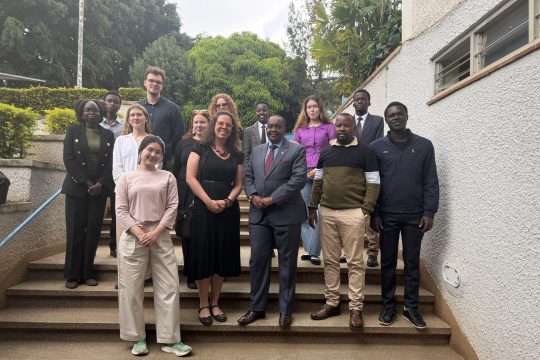
Following EfD Kenya’s research on the second-hand clothing waste crisis, faculty and students from Aalto University in Finland visited EfD Kenya on 25 February 2026 to learn directly from the research team. The students are currently working on a project focused on textile waste in Kenya and are seeking to understand the mitumba value chain and identify opportunities to improve sustainability.
Their visit was motivated by a desire to learn from EfD Kenya’s evidence-based insights and explore how waste-to-value strategies could be developed and applied in real-world contexts.
Knowledge exchange in action
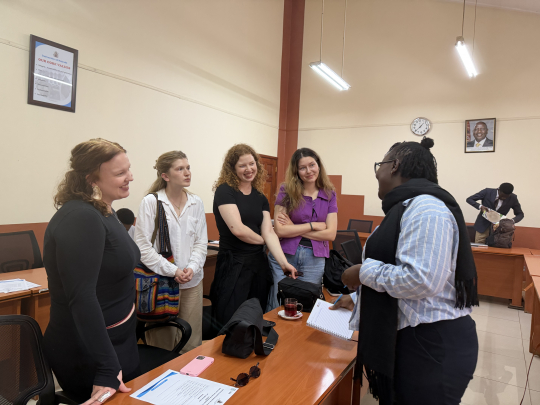
During the visit, EfD Kenya researchers shared insights on the scale and drivers of textile waste, the role of informal markets, and the policy and systems challenges involved. The discussions provided international students with grounded perspectives on circular economy challenges in emerging economies.
“It was striking to see EfD Kenya’s research confirm what traders in Gikomba told us that a large share of second-hand clothing bales contains unsellable items, leaving traders uncertain about what they will actually receive,” said students from Aalto University.
Opportunity for multidisciplinary approach
This engagement demonstrates how EfD Kenya’s research is informing global academic learning and strengthening South–North knowledge exchange. By sharing locally grounded evidence, EfD Kenya is helping shape how researchers, students, and policymakers approach textile waste challenges.
“The visit created an opportunity for dialogue on how multidisciplinary approaches combining economics, design, and legal perspectives and other fields can contribute to more sustainable textile systems,” said Richard Mulwa, co-author of the study.
Looking ahead
The visit opened opportunities for continued engagement, including student learning collaborations and future research dialogue on waste-to-value strategies in the textile sector.
By Jane Maina