Mixed strategy farming is best in face of climate change
The South African node of the EfD network, the Environmental Economics Policy Research Unit at the University of Cape Town is working towards influencing South African policy in four key areas
The South African node of the EfD network, the Environmental Economics Policy Research Unit at the University of Cape Town is working towards influencing South African policy in four key areas
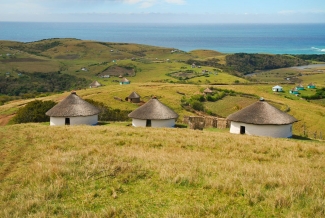
Resource-poor rural South Africa is characterized by high human densities due to the historic settlement patterns imposed by apartheid, high levels of poverty, under-developed markets and substantially high food insecurity. This chronic food insecurity, combined with climate and weather variability, has led to the adoption of less-conventional adaptation methods in resource-poor rural settings.
This paper examines the impact of climate change on poor households across South Africa who practice subsistence farming to supplement their household income and dietary requirements. We consider three production systems: specialized crops, livestock and mixed crop-livestock farming.
Implementing and complying with standards and certification often increases costs for supply chain actors. These increased costs are caused by upgrading production, logistics and marketing needed to achieve compliance, and can lead to the exclusion of actors from the supply chain.