Uzbekistan measures its green growth strategy
EfD researcher and WinEED member Etenesh Asfaw, based in Moldavia, has led a study applying a battery of OECD indicators of green growth of Uzbekistan’s economy. She explained the main findings and…
Input efficiency as a solution to externalities and resource scarcity: A randomized controlled trial
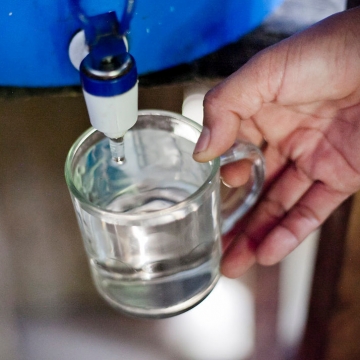
Ceremonial and Subsistence Water
Water for cultural and religious purposes, referred to as ceremonial and subsistence (C&S) use, is a distinctive feature of many Indigenous and other communities. Whether this constitutes a legitimate claim for water for an American Indian Tribe in the United States was litigated in the context of a trial to determine the federal government’s obligation to reserve water for Indian Tribes whom it had settled on reservations during the 19th century. Following a U.S.
Costa Rica's Payment for Ecosystem Services scheme has been evaluated
EfD Central America researchers worked with the National Forestry Financing Fund (Fonafifo) to analyze the impact of the Payment for Ecosystem Services (PES) programs implemented since the 90s on the…
Urban authorities called to harness human waste for biogas and fertilizers
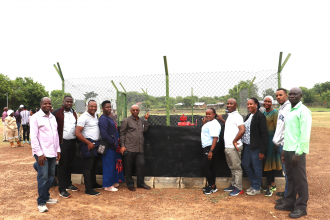
Environmental economists from Makerere University have called on urban authorities to harness the abundant human and organic waste in the cities to produce biogas and organic fertilizers. They argue…
Alternatives for improving Payment for Ecosystem Services (PES) effectiveness on water resources
Environmental Services include all contributions of nature to humans, and these are relative according to the context and the existence of alternatives (IPBES 2019). Ecosystem degradation jeopardizes the sustainable provision of these services. In this context, Payne for Ecosystem Services (PES) schemes arose as policy instruments that promote pro-environmental land use through financial incentives for actions that improve, maintain, or maximize the provision of ES (Kim et al. 2016).
Pagination
- Previous page
- Page 8
- Next page