

Economics of conserving endangered birds: the case for Gyps vultures in India
EfD Authors:
The widespread use of diclofenac, a non-steroidal anti-inflammatory drug, in livestock has caused a drastic decline in Gyps vulture populations across South Asia. This loss disrupted scavenging services, leading to a rise in feral dog populations and associated health risks for humans and wildlife, as well as increased public spending to manage livestock carcasses. In response, government-funded carcass-rendering plants have been set up to replace these lost services.
8th Annual CECFEE Research and Policy Workshop - 7-9 November 2024
8th Annual CECFEE Research and Policy Workshop will be held at Khajuraho, Madhya Pradesh, India in partnership with SRIJAN. Please mark your calendars for November 7-9, 2024 (Thursday to Saturday) and…
Energy demand and energy efficiency and conservation practices of manufacturing industries in Ethiopia

EfD Uganda Graduates Third Cohort of IGE Fellows
The Environment for Development (EfD) Uganda celebrated the graduation of its third cohort from the Inclusive Green Economy (IGE) Capacity Building Program on August 7, 2024. The event, held at the…

EfD Uganda celebrates milestones and outlines plans at Annual General Meeting
The EfD-Mak Centre Uganda held its first Annual General Meeting (AGM) on July 18, 2024, at the Glory Summit Hotel in Hoima, celebrating achievements and outlining strategic objectives for the next…
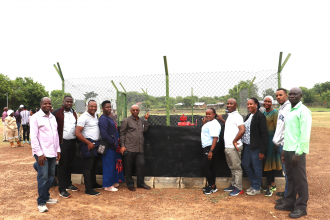
EfD Uganda researchers gain insights from oil and gas community visits
A team of environmental economists from Makerere University recently visited Uganda's Albertine oil fields to assess ongoing oil and gas operations and explore potential research and collaboration…
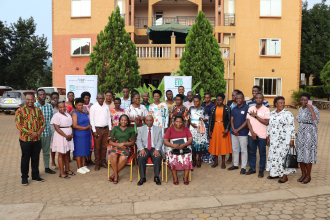
Hoima residents demand expanded access to clean energy at EfD policy dialogue
Stakeholders from Hoima's local government, private sector, and civil society organizations have urged the government to expand access to clean energy sources like electricity and LPG to facilitate…