Image
Image
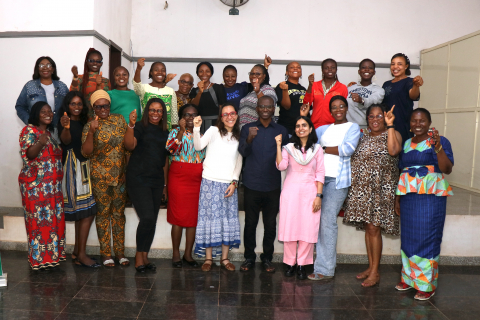
WinEED is building the capacity of women researchers at EfD Nigeria
Body
EfD’s global network, Women in Environmental Economics for Development (WinEED), has sustained its...
EfD’s global network, Women in Environmental Economics for Development (WinEED), has sustained its...
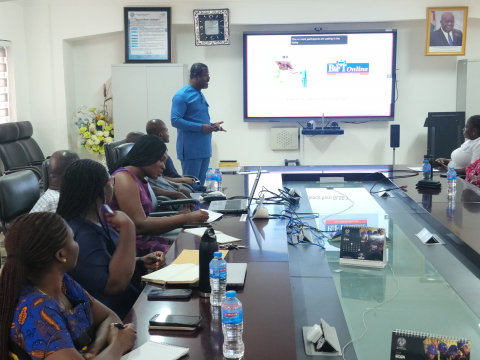
EfD Ghana researcher Anthony Amoah recently led a discussion with managers and key Ghana Water...

A study by EfD researcher Matías Piaggio and co-authors, published in the Environmental and...
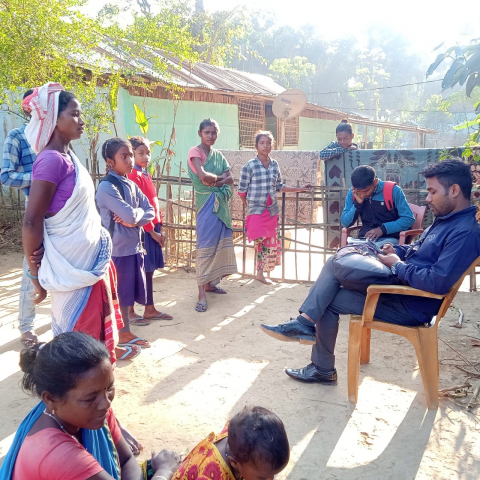
Over 50 million people in India, especially children, are exposed to arsenic-contaminated water. Yet...
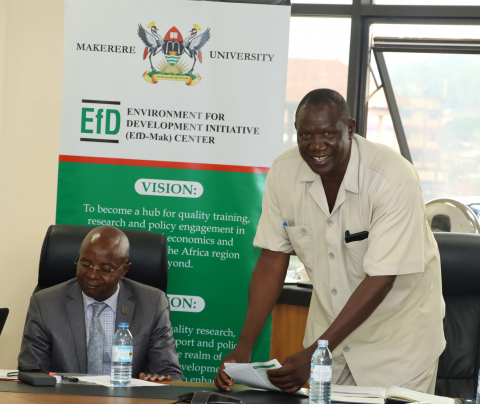
A team from EfD Uganda visited the Ministry of Water and Environment to share what they had learned...

PSI, the host institution of EfD Ethiopia, and the Addis Ababa City Environmental Protection...
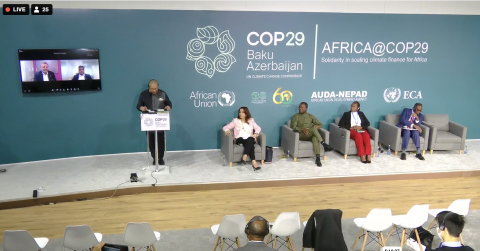
The report Measuring the Green Wealth of Nations – Natural Capital and Economic Productivity in...

EfD has been asked to support a global effort aiming to ensure that Ministers of Finance apply the...
This paper focuses on improved storage and preservation technologies as an adaptation strategy in response to climate change. We also study the trade-off between improved cereal storage technologies and the preservation techniques among rural households in Tanzania. We find that climate variables significantly influence farmers’ choice of improved storage technologies and preserving decisions. Using a bivariate probit model, we find that modern storage technologies and preservation measures are substitutes.