Nature helps farmers cope with climate change
Central America has more than 2.3 million families depending on agriculture and natural resources for their livelihoods, making them vulnerable to climate change risks such as rising temperatures
A recent study in Kenya shows that climate change and variability will increase food insecurity and that different food crops will respond differently to climate change variables. The study also
Ethiopia aims to build a green economy and to follow a growth path that fosters sustainable development. T hrough the development of its Climate-Resilient Green Economy (CRGE) strategy, which is based
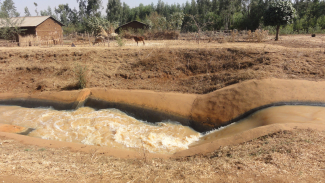
How can charging money for something that was free be a good idea for poor farmers? It turns out that pricing irrigation water will help improve Ethiopian farmers’ efficiency in water use, increase
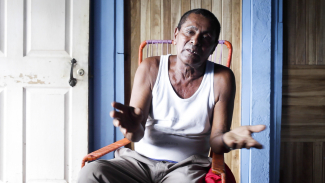
People in Central America’s rural areas will face a 20 percent decline of drinking water availability by 2050, estimates show. EfD researchers are now collecting information from 8 000 households in
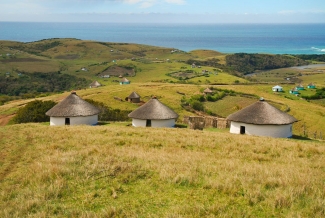
The South African node of the EfD network, the Environmental Economics Policy Research Unit at the University of Cape Town is working towards influencing South African policy in four key areas
Climate change poses a threat to reliable supplies of drinking water in rural areas. EfD Central America (CATIE) is working with rural communities in Costa Rica, Guatemala and Nicaragua to develop
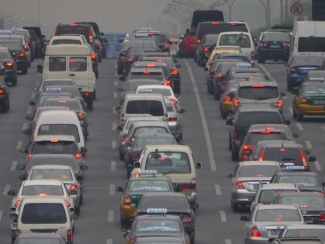
A plan to reduce automobile traffic in Beijing was in the hands of the city’s mayor in late 2013. EfD China played a major role in figuring out what strategies would – and would not – be likely to
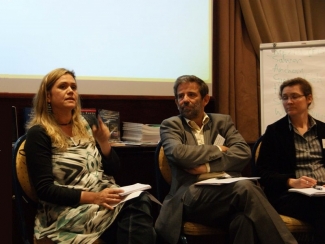
On Wednesday 23 October, EPRU hosted the EfD Policy day at Commodore Hotel, Cape Town, South Africa. The policy day brought together policy makers from various governmental levels, practitioners, NGOs
EfD-Kenya fellows Wilfred Nyangena and Geophrey Sikei, were engaged in the review and synthesis of literature on climate change research in the COMESA region and how it has influenced policy.