Event Information
Pollinators are essential for both biodiversity and food security, yet many species are in decline due to multiple pressures like habitat loss, pesticide exposure and climate change. This seminar brings together researchers and policy experts to explore how pesticides affect pollinators, what new research tells us about risks and resilience and what strategies and improvements we can implement to protect pollinators and by extension, the ecosystems.
Pollinators play a crucial role in sustaining both ecosystems and agriculture — nearly 75% of globally important crops rely on animal pollination. Yet, pollinators are increasingly under threat from human activities, including habitat loss, pesticide exposure and climate change.
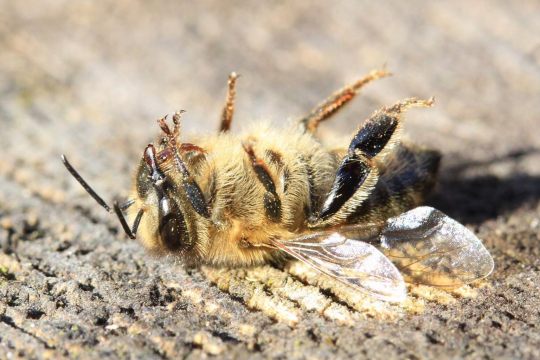
Synthetic substances are commonly used in agriculture to control pests such as fungi, insects, and weeds. However, their use also brings risks to human health and the environment, including pollinators. This seminar will explore how pesticides pose threats to pollinators, focusing on bees as a key example. We will discuss how exposure and sensitivity vary across species, and why these differences matter for assessing pesticide risks.
Finally, we will highlight current gaps in risk assessment frameworks and discuss potential improvements and mitigation strategies to better protect pollinators — and the ecosystems that depend on them.
Participants
Julia Osterman, PhD, Dept. of Biological and Environmental Sciences, University of Gothenburg
Maj Rundlöf, Docent, Biodiversity and Evolution, Lund University
Additional presenters may be added to the program