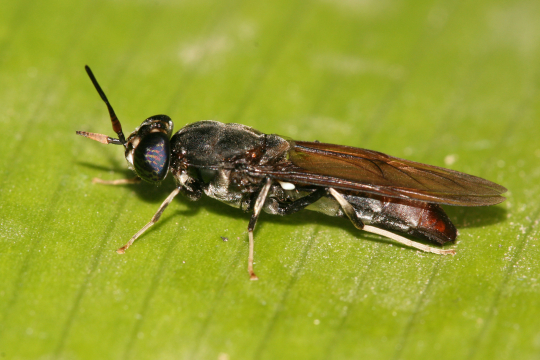
This study evaluates the impact of climate-smart gardens (CSGs) and black soldier fly frass fertilizer (BSFFF) on urban households. Both interventions significantly reduced food insecurity and improved dietary diversity. Effects were stronger among female-headed households. Vegetable spending declined while overall consumption was unchanged. Food production and time invested rose substantially. Financial analysis shows modest but positive net benefits.
Abstract
Food and nutrition insecurity, combined with poor waste management and sanitation, are common features of urban informal settlements. We conducted a cluster-randomized controlled trial with 810 households in Kibera to evaluate the effects of urban agriculture interventions—climate smart gardens (CSGs) and black soldier fly frass fertilizer (BSFFF) derived from recycled human waste—on food and nutrition security, household welfare, and food production. The interventions significantly enhanced food and nutrition security and home food production, with stronger effects observed in female-headed households. While vegetable consumption expenditure declined, food and total consumption expenditure remained unaffected. These results underscore the potential of circular economy interventions to simultaneously improve nutrition, waste management, and gender equity in densely populated informal settlements.
Keywords: urban agriculture, informal settlements, climate smart gardens, frass fertilizer, food and nutrition security, household welfare, food production, gender equality