With fish farming increasingly vital to Ghana’s food security and youth employment goals, a recent national workshop in Accra, hosted by EfD Ghana and the BlueRforD collaborative program on July 22nd, has sparked fresh momentum to tackle the industry's most pressing challenges and unlock its full potential.
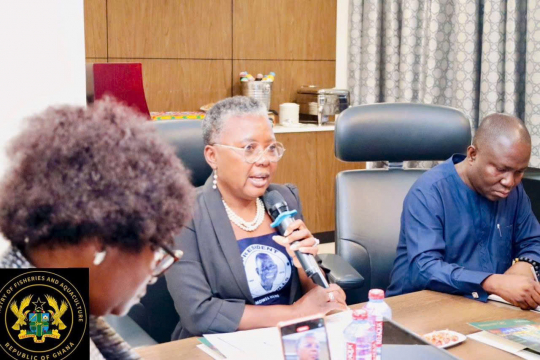
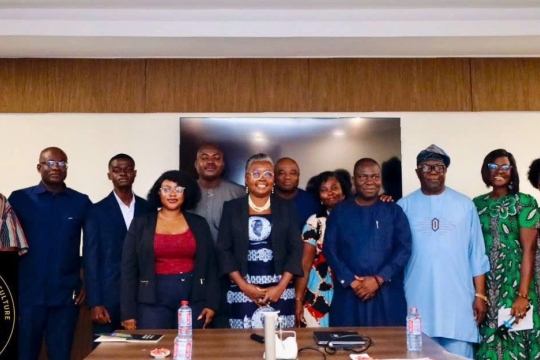
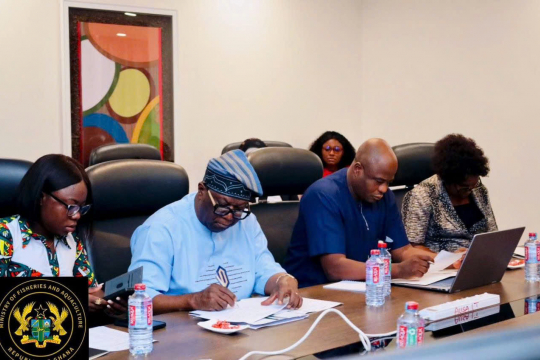
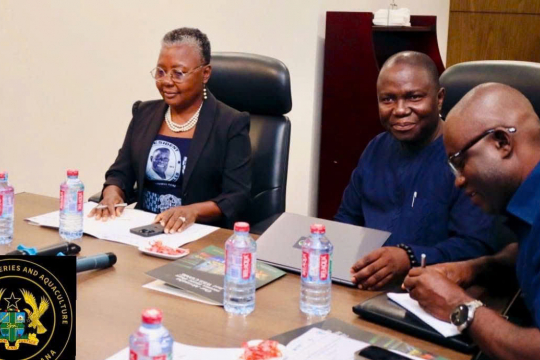
The “Stakeholder Workshop on Aquaculture Externalities” brought together scientists, fish farmers, government officials, and industry leaders to chart a new course for sustainable aquaculture. The event featured frank discussions, technical presentations, and collaborative sessions focused on practical solutions.
Call for partnerships and research
In her opening remarks, Hon. Emelia Arthur, Minister for Fisheries and Aquaculture, highlighted key issues requiring research, including fish health concerns, genetic diversity challenges, and unregulated crossbreeding practices. She stressed the urgent need to expand aquaculture as a route to improved food security and youth employment, and called for stronger public-private partnerships and better collaboration to drive innovation in the sector.
Challenges laid bare
Three presentations set the stage for the discussions. Dr. Wisdom Akpalu provided an overview of Ghana’s fisheries sector, followed by Dr. Godwin Kofi Vondolia, who elaborated on aquaculture production systems. Mr. Jacob Adzikah of the Chamber of Aquaculture provided many clear assessments.
“Our aquaculture sector has great potential,” he said, “but we are not using it to its full extent.” He listed several barriers facing fish farmers:
- Soaring feed costs make it hard for small-scale farmers to turn a profit.
- Climate-related stress, including heat waves and floods, disrupt water quality and fish health.
- Limited technology, with many farmers still using traditional methods and lacking tools to monitor farm conditions.
- Gaps in research, especially around local fish species and better feed options.
Mr. Adzikah’s message was clear: Ghana’s fish farming industry can improve—but only if it adopts smarter practices and leverages research.
Pathways to progress
The workshop didn’t stop at identifying problems. It generated a series of concrete proposals:
- Cheaper, local fish feed: Developing affordable, locally sourced feed could reduce costs and boost farmer incomes.
- Improved fish breeding: Strengthening Ghana’s Akosombo tilapia strain through research could result in faster-growing, more resilient fish.
- Farmer training: Many participants stressed the need for hands-on, practical education in modern aquaculture techniques.
- Teamwork and communication: Stronger collaboration between government, researchers, and farmers was seen as key to progress.
Research agenda set
A 90-minute panel discussion examined the environmental, socio-economic, and regulatory externalities linked to aquaculture in Ghana. This was followed by a stakeholder-led session that resulted in the joint development of a research agenda focused on key aspects of aquaculture externalities.
- Genetic diversity – protecting native fish species to avoid over-reliance on imports.
- Antibiotic resistance – assessing how current practices may impact food safety and ecosystems.
- Mining pollution – studying how illegal mining and metal contamination affect fish quality.
- Affordable feed – exploring cost-effective feed ingredients.
- Environmental impacts – evaluating hatchery practices and chemical use.
- Certification and markets – examining consumer demand for certified, traceable fish products.
- Risk management – creating insurance products tailored to aquaculture.
These themes reflect not only environmental and health concerns but also economic realities, including profitability and access to markets.
Broader implications
Aquaculture is expected to play a growing role in Ghana’s food system, especially as wild fish stocks face mounting pressure. But success will depend on evidence-based policies, smart investments, and continued cooperation between public and private actors.
Notably, the event drew high-level participation, including senior officials from the Ministry of Fisheries and Aquaculture, private sector leaders like Benjamin Turkson of R&B Farms, and representatives of the Ghana National Aquaculture Association.
As the session ended, participants agreed to move forward with a united focus on research and policy that supports a sustainable and profitable aquaculture future.
For more details on the identified research priorities and themes, contact EfD Researcher Thong Ho.
By: Thong Ho and Petra Hansson