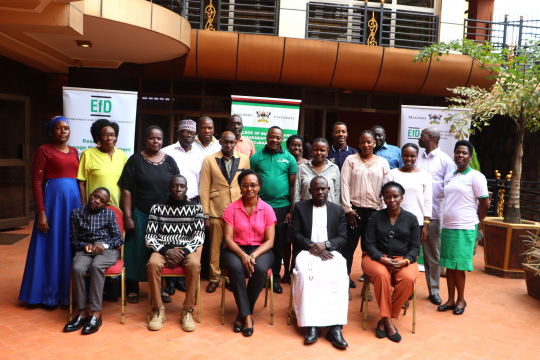
A study by researchers from the EfD Uganda at Makerere University has revealed stark gender differences in the impact of COVID-19 on food security among Uganda’s urban poor, with female-headed households bearing the brunt of the crisis. The findings were presented at a stakeholder dissemination meeting held at the Tick Hotel in Kawempe Division, Kampala.
The research, led by Dr. Fred Matovu, Fred Kasalirwe, and Anitah Kyamugabwa, focused on Kawempe Division, one of Kampala’s most densely populated and low-income areas. Using data from a 2022 household survey of 415 respondents, along with focus group discussions and interviews with key government stakeholders, the study examined how the COVID-19 pandemic and related economic disruptions worsened food security in informal urban settings.
Policies are inadequate
EfD Researcher Dr. Peter Babyenda stressed that Uganda’s current social protection structures are inadequate, especially for the most vulnerable. He called for policy frameworks that are informed by grassroots realities.
“We need policies that involve those affected from the ground up, especially the urban poor who live on daily incomes. During COVID-19, these groups suffered immensely when lockdowns were imposed without consultations,” he said.
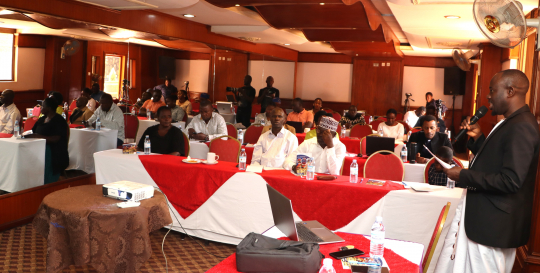
The study, titled Differences in COVID-19 Effects on Food Security and Adaptive Strategies among the Urban Poor: Experiences from Uganda and Tanzania, was conducted between 2022 and 2023 in collaboration with EfD Tanzania. In Uganda, the research focused on how urban poverty intersected with gender and food insecurity.
Extreme coping strategies
Presenting the findings, Fred Kasalirwe reported that poor urban households, especially those relying on informal employment, were disproportionately affected due to low and unstable incomes. The containment measures introduced in March 2020, including stay-at-home orders, closure of schools, suspension of public transport, and night curfews, had a devastating effect on daily earners. As economic activity halted, access to food, healthcare, and essential services declined sharply.
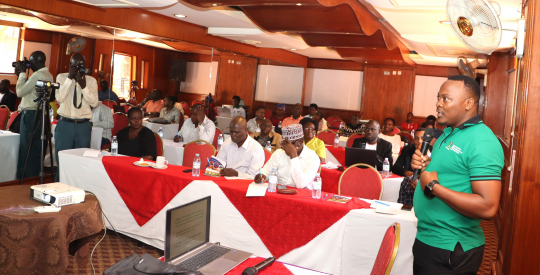
The research found that food security and dietary quality worsened for both male- and female-headed households. However, the impact was more severe for female-headed households due to greater caregiving responsibilities and fewer income-generating opportunities. With limited access to social safety nets, families resorted to extreme coping strategies such as selling household assets, depleting savings, and changing their diets involuntarily. Kasalirwe noted that government food assistance during the crisis was inconsistent and insufficient.
Unique challenges for female-headed households
He explained that female-headed households faced unique challenges, often balancing caregiving with limited means to earn income during lockdowns.
“These households suffered more from income shocks, leading to worsened nutrition among children and the elderly,” he said. ”Most had to rely on informal networks or personal savings to survive.”
Unexpected finding
The study also noted an unexpected finding: persons with disabilities experienced relatively improved food security during the crisis, likely due to targeted social support. However, this level of support was not extended to most households, exposing critical gaps in Uganda’s social protection systems.
While the COVID-19 pandemic was a primary focus, researchers emphasized that a wider series of shocks has driven food insecurity among the urban poor in Uganda. These include prolonged droughts, floods, mudslides, economic recessions, and the suspension of major aid programs such as USAID. Each of these events has further strained already fragile food systems and household resilience.
Kasalirwe warned that unless Uganda adopts strong and inclusive social protection policies, the country will stay vulnerable to future crises. He urged the government to consider gender-sensitive strategies that acknowledge the unequal burden borne by women and informal workers.
Findings apply to future shocks
“Government programs often collapse because communities are not involved in designing or owning them,” he said. “What we need is a bottom-up approach where self-help mechanisms and community buy-ins are developed alongside government interventions.”

He further noted that while COVID-19 provided the context for the study, the findings apply to a wide range of future shocks, including public health emergencies, climate change, and global economic downturns. “We’ve seen floods in Mbale, Ebola outbreaks, and the ripple effects of the Ukraine war. We need systems that don’t crumble when funding dries up,” he said.
Gender-sensitive planning is needed
The researchers urged both the government and development partners to shift focus from emergency responses to long-term resilience building. They emphasized that coping strategies such as selling productive assets or reducing food intake are impoverishing and unsustainable. The study called for a strong policy framework that prioritizes food security, supports vulnerable populations, and enhances urban livelihoods.
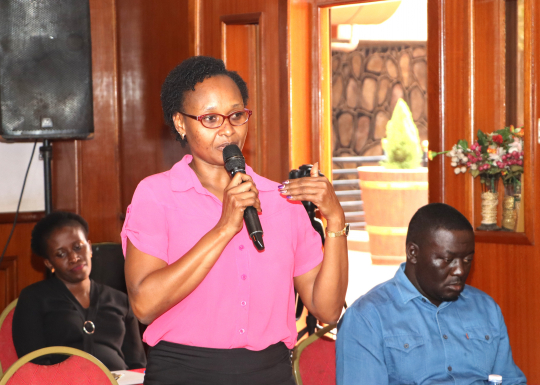
The study recommends a participatory approach that actively involves vulnerable communities in the design and implementation of social protection programs. It also calls for the establishment of community-based safety nets that are sustainable even in the absence of regular government funding. The researchers stressed the importance of gender-sensitive planning, especially in informal settlements where women face heightened challenges during economic shocks. Additionally, the government is urged to streamline its social protection initiatives through the Ministry of Gender, Labour, and Social Development, ensuring effective outreach and awareness to reach those most at risk.
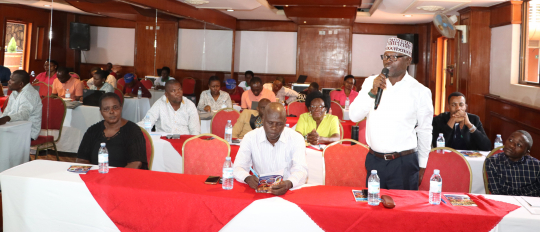
The research was funded by the EfD Global Hub and coordinated by the EfD-Mak Centre. Participants at the dissemination meeting echoed the urgency of addressing urban food insecurity and preparing more effectively for future crises.
By: Jane Anyango